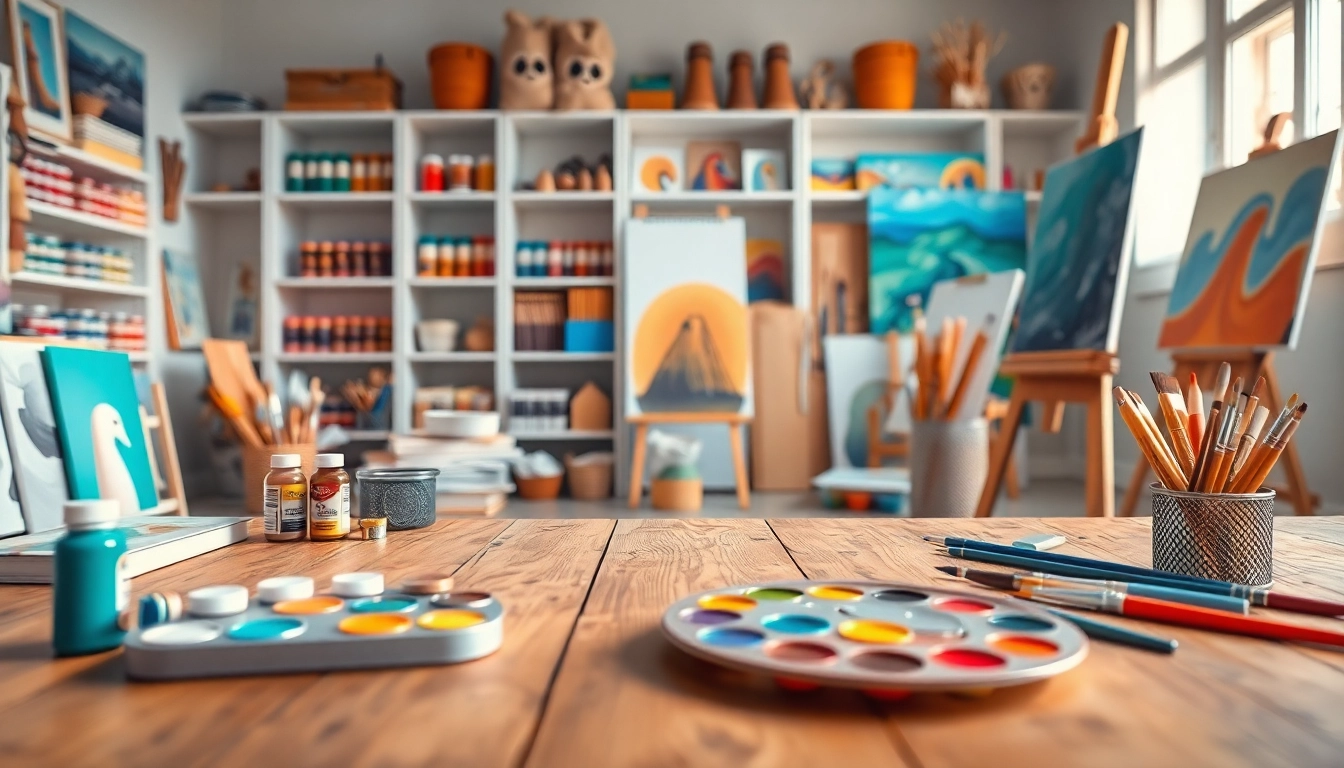
Understanding Acrylic Paints
Types of Acrylic Paints
Acrylic paints are a staple in the world of art and crafting, known for their versatility and vibrant color options. They come in various formulations tailored for different applications. The primary types include heavy body acrylics, fluid acrylics, and acrylic gouache. Heavy body acrylics are thick, providing excellent texture and a matte finish, which lends itself well to impasto techniques. Fluid acrylics, on the other hand, are thinner and ideal for washes and fine details. Lastly, acrylic gouache combines the characteristics of acrylic paint and traditional gouache, offering a matte finish and vibrant colors without the sheen. Each type has its unique advantages, suitable for different styles and methods of painting.
Properties and Benefits
The unique properties of acrylic paints make them advantageous for artists of all skill levels. One of the key benefits is their quick drying time, allowing artists to work faster and apply multiple layers without waiting for long periods. Additionally, acrylics are water-soluble when wet, making them easy to clean up with just soap and water. Once dry, they become water-resistant, which adds durability to painted works. They also have excellent lightfastness, meaning they resist fading when exposed to light, ensuring the longevity of the artwork. Finally, acrylics are available in a wide range of colors, including metallic and iridescent shades, allowing for endless creative possibilities.
Common Uses of Acrylics
Acrylic paints are incredibly versatile, finding application in many areas beyond traditional canvas painting. They are frequently used in mixed media art, where artists combine various materials and textures to create visually captivating pieces. Moreover, they are popular in home décor projects, from painting furniture to crafting personalized items. Acrylics also shine in the realm of educational settings, where students engage in painting as part of their art curriculum due to the medium's ease of use and effectiveness. Art therapy programs also employ acrylics for their quick-drying and forgiving nature, which allows for spontaneity and openness in creative expression.
Techniques for Acrylic Painting
Mixing Colors Effectively
One of the foundational skills in acrylic painting is the ability to mix colors effectively. This process involves understanding color theory, such as the color wheel, which helps artists to create harmonious color combinations. To begin mixing, you should assign a palette that includes primary colors—red, blue, and yellow—as well as white and black for tints and shades. Start by creating secondary colors: mixing red and yellow creates orange, while blue and red yield purple. A useful technique is to use a palette knife, which allows for even mixing and reduces the risk of muddy colors. Remember that acrylics dry darker than they appear when wet, so it's essential to test mixes on scrap paper before applying them to your artwork.
Brush Techniques for Texture
Using brushes effectively can help an artist achieve various textures that enhance their work. Different types of brushes can create distinct effects, from fine details with a liner brush to broad strokes with a flat brush. To achieve texture, try techniques like dry brushing, where a barely damp brush is used to apply a small amount of paint, allowing the texture of the substrate to show through. Another technique is stippling, which involves tapping the brush on the canvas to create a dot-like effect, perfect for creating foliage or textured backgrounds. Experimenting with unconventional tools like sponges, rags, or even fingers can also yield innovative textures and add a unique fingerprint to your artwork.
Layering and Glazing Techniques
Layering and glazing are advanced techniques that can create depth and luminosity in acrylic paintings. Layering involves applying multiple coats of paint, allowing each layer to partially show through the next. This can be achieved by using diluted washes of color or transparent mediums, enabling a vibrant, glowing effect. Glazing specifically refers to the application of thin, transparent layers of color over dried layers. By mixing acrylics with a glazing medium, artists can enhance colors without losing the underlying details. This method is particularly effective for skin tones and other subtle transitions in color, making the artwork feel more alive and dimensional.
Acrylic Tools and Supplies
Choosing the Right Brushes
Selecting the right brushes is crucial for successful acrylic painting. If you're starting, a basic set that includes flat, round, and filbert brushes will cover the majority of techniques you'll be using. As you progress, consider the materials of the brush; synthetics are often preferred for acrylics, ensuring they hold their shape and withstand the paint's harsher properties. Artists often find that a variety of sizes for each shape allows for versatility in their practice. Regularly cleaning your brushes during and after your sessions is vital to maintain their functionality and longevity. A good practice is to rinse them in water immediately after use and reshape the bristles.
Essential Accessories for Success
Several accessories can enhance your acrylic painting experience and help achieve the best results. A palette, whether it’s a traditional wooden or a disposable paper palette, is important for mixing colors. Additionally, having a spray bottle with water on hand can keep paints moist and workable during longer painting sessions. An easel can improve your posture and comfort while painting, while canvas boards or stretched canvases work as a good surface for acrylics. Lastly, consider investing in high-quality mediums such as gloss or matte medium, which can alter the finish and workability of your acrylic paints, adding new dimensions to your artwork.
Care and Maintenance of Supplies
Proper care and maintenance of your supplies can significantly improve their lifespan and performance. After use, clean brushes thoroughly with soap and warm water, ensuring no paint remains in the bristles. Store brushes upright in a container to protect their shape. For palettes, especially if they're made of acrylic or glass, wipe off paint with a damp cloth to prevent acrylic paint from drying and hardening on the surface. Use airtight containers for leftover paint to prolong usability. Lastly, keep your workspace organized to easily track and maintain your tools and supplies, reducing the risk of damage or loss.
Advanced Techniques in Acrylic Art
Pour Painting Methods
Pour painting is an innovative technique that involves pouring fluid acrylics onto a canvas to create stunning abstract art. This process requires a mix of acrylic paint, a pouring medium, and often silicone oil for effects like cells. When poured, the paints intermingle and create beautiful patterns naturally. It’s essential to prepare your canvas by ensuring it’s level to prevent paint from pooling. Artists often experiment with various pouring techniques, such as the ‘dirty pour’ where multiple colors are layered in a cup, then poured, or the ‘flip cup’ method where the canvas is flipped to release the paint. This method can produce unpredictable results, making it exciting and dynamic.
Embedding Mixed Media
Incorporating mixed media into acrylic art can enhance depth and narrative. Artists often use additional materials such as paper, fabric, or found objects along with acrylics to build richer compositions. gesso can be applied to the canvas first to create a textured base to which elements are added, using acrylics for painting over and around these mixed materials to integrate the layers. This approach not only adds tactile qualities but can also facilitate storytelling through visual contrasts. Experimenting with various mixed media techniques not only broadens the artistic approach but can also engage the viewer on different sensory levels.
Creating 3D Effects
Acrylics can also be used to create convincing 3D effects on a canvas. Techniques like layering, shadowing, and highlighting can make objects appear to pop out of the canvas. This requires a solid understanding of light and shadow; highlights are generally added with lighter shades of the chosen color, while shadows are created with darker shades. Moreover, materials like modeling paste can be added to the canvas before painting to create raised textures, making certain parts of the painting stand out physically. This can lead to incredibly dynamic artwork that draws the viewer in and creates a richer viewing experience.
Showcasing Your Work
Photography Tips for Art
Once the artwork is complete, showcasing it effectively is vital, especially in today’s digital age. High-quality photography is crucial for capturing the essence of acrylic paintings. Use natural light to avoid glare and maintain the true colors of the work. A neutral background helps the painting stand out without distractions. Additionally, employ a tripod to stabilize your camera and ensure sharp images. Experiment with various angles and distances to capture the details and textures of your piece. Post-processing can also enhance the photograph, helping to achieve a professional finish before sharing online or printing.
Social Media Sharing Strategies
Social media platforms present an excellent opportunity for artists to showcase their work and connect with potential fans. To maximize visibility, engage actively with your audience by sharing not just completed pieces but also behind-the-scenes shots of your creative process. Use relevant hashtags to reach specific art communities and consider joining groups or forums related to acrylic painting. Scheduled posts maintain consistency in your outreach efforts. Lastly, engaging with fellow artists and art enthusiasts by commenting on their work can foster a supportive network, encouraging mutual growth and exposure.
Setting Up Exhibitions and Shows
Exhibiting your work in galleries or local events can significantly enhance your visibility as an artist. Start by researching local venues that support emerging artists; attending opening receptions can help build relationships with gallery owners. When preparing for an exhibition, consider the overall theme of your work and how it can be presented cohesively. Catalog your works and create promotional materials such as business cards or brochures that showcase your work and contact information. Set up your display in a way that invites viewers to engage with the art while also respecting the integrity of each piece. Finally, consider hosting an opening reception to draw attention and connect with art enthusiasts in your community.
For more information on acrylics and art techniques, visit https://acrylicpedia.com.