
Introduction to Goechala Trek
Overview of the Trek
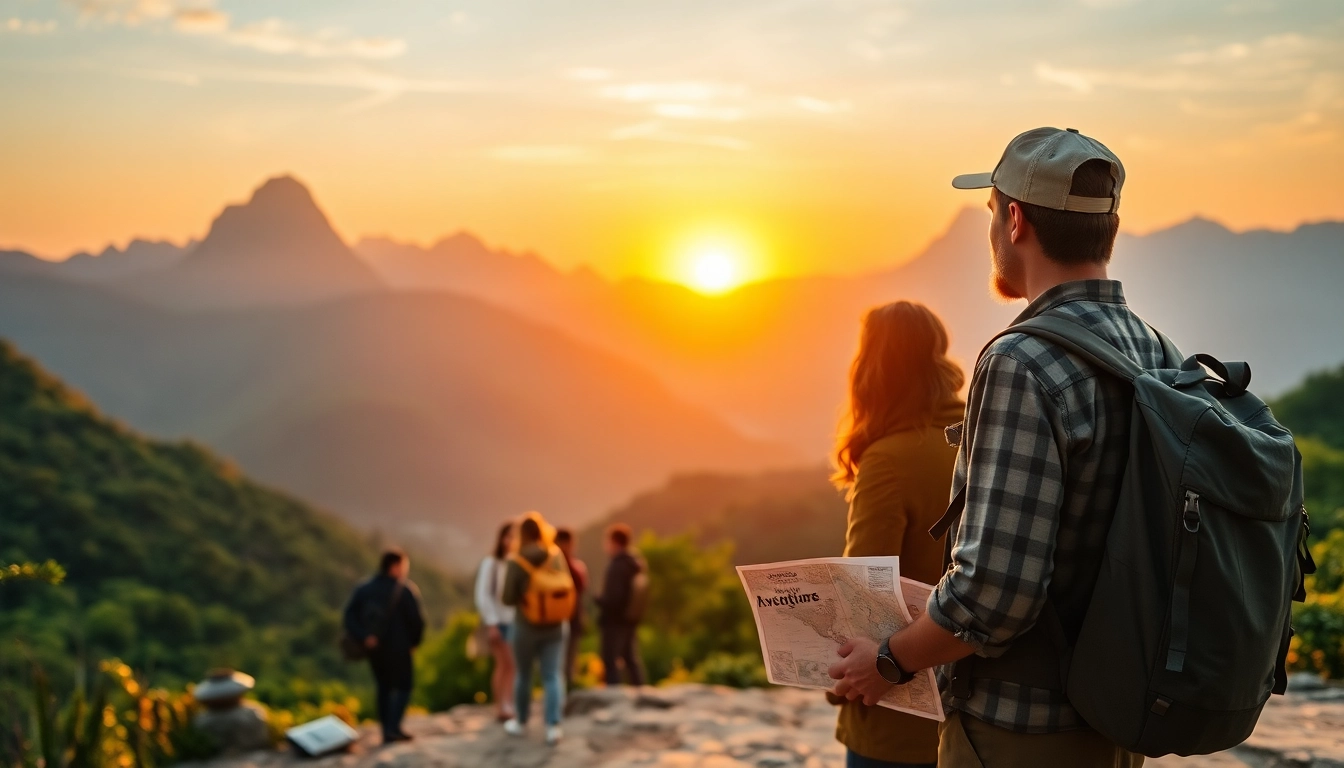
The goechala trek is one of the most renowned trekking routes in India, particularly within the majestic landscapes of Sikkim. This trek leads trekkers through the majestic Kanchenjunga National Park, offering a thrilling experience for seasoned adventurers and nature lovers alike. Spanning approximately 90 kilometers, it generally requires around 11 days to complete, winding through lush forests, cascading waterfalls, and panoramic views of some of the highest peaks in the world, including the formidable Mount Kanchenjunga, the third highest mountain on Earth. The trek’s allure lies not only in its breathtaking landscapes but also in the opportunity for physical challenge and personal achievement.
Historical Significance
The Goechala trek has deep historical roots that resonate with local Sikkimese culture and history. Traditionally, the area has been significant for the indigenous Lepcha and Bhutia communities, who revered the mountains and accessed these paths for trade and pilgrimage. Mount Kanchenjunga is often associated with legends surrounding its divine spirit, making it a place of reverence for many. Trekking through this landscape not only allows visitors to witness stunning natural beauty but also immerses them in a journey through the historic significance of the region.
Environmental Aspects
The ecological diversity observed during the trek is staggering, encompassing various biomes from lush sub-tropical forests at lower altitudes to alpine meadows and glacial landscapes at higher elevations. The different elevations host unique flora and fauna, including rare species of orchids, rhododendrons, and even the elusive Snow Leopard. The trek’s passage through areas rich in biodiversity highlights the critical importance of preserving these ecosystems. Trekkers are encouraged to practice responsible trekking by minimizing waste and respecting local wildlife as they traverse this precious environment.
Planning Your Goechala Trek Adventure
Best Time to Go
The optimal times to undertake the Goechala trek are in the spring (March to June) and post-monsoon (September to November) seasons. During spring, trekkers can enjoy clear skies, blooming rhododendrons, and moderate temperatures, which enhance the trekking experience. The post-monsoon months provide stunning clear days perfect for mountain views. However, it’s important to avoid the monsoon months (July to August) due to heavy rainfall that can lead to slippery trails and visibility issues.
Cost Breakdown
Budgeting for the goechala trek can vary based on factors such as the trekking group size, type of accommodation, and included services. On average, trekkers should expect to spend between INR 15,000 to INR 25,000, inclusive of permits, guide fees, food, and accommodation. It’s recommended to check and compare various trekking packages that include the essential elements for a safe and enjoyable experience. Additionally, unforeseen expenses like gear rental or additional meals should be accounted for.
How to Reach
Accessing the starting point of the trek, Yuksom, typically involves traveling to Bagdogra Airport or New Jalpaiguri Railway Station. From there, you can hire a taxi or take a shared jeep to Yuksom, which is approximately a 7 to 8-hour journey. The road to Yuksom is well maintained and offers scenic views along the way. Proper planning regarding transportation options can make your journey more pleasant and stress-free.
Understanding the Trek Difficulty
Physical Requirements
The goechala trek is classified as a challenging trek, requiring good physical fitness and stamina due to its high-altitude terrain and significant elevation gain. Trekkers should ideally engage in cardiovascular workouts, strength training, and endurance-building exercises leading up to the trek. Regular activities such as hiking, jogging, or cycling can help prepare your body for the trek’s demands.
Gear and Preparation
Proper gear is crucial for a successful trek. Essential items include sturdy trekking boots, weather-resistant clothing (including thermal layers), a reliable backpack, and a sleeping bag rated for colder temperatures. Additional gear might consist of trekking poles, a first aid kit, and personal hygiene items. A thorough gear check before starting your adventure can help ensure you have everything necessary to handle various weather conditions and physical challenges.
Common Challenges
Trekkers commonly face challenges such as altitude sickness, weather fluctuations, and physical fatigue. Preparing for altitude sickness includes allowing for acclimatization days, staying hydrated, and recognizing symptoms early on. Weather can change rapidly; therefore, wearing layers ensures comfort during hikes in varying conditions. Fitness and pre-trek condition play significant roles in managing fatigue; having a well-structured pre-trek fitness plan can mitigate these risks.
Trekking Route of Goechala
Day-by-Day Itinerary
A typical itinerary for the goechala trek spans 11 days, starting from Yuksom and culminating at Goecha La. The following is an overview of the route:
- Day 1: Arrive at Yuksom and explore the local area.
- Day 2: Trek to Sachen (10 km).
- Day 3: Journey to Tshoka (7 km).
- Day 4: Ascend to Dzongri (10 km).
- Day 5: Rest day and acclimatization at Dzongri.
- Day 6: Trek to Thangsyap (6 km).
- Day 7: Ascend through the meadows to Goecha La (7 km) and return to Thangsyap.
- Day 8: Return to Dzongri (8 km).
- Day 9: Descend to Tshoka (10 km).
- Day 10: Trek back to Sachen (7 km).
- Day 11: Depart from Yuksom.
Scenic Highlights
The scenery along the Goechala trek is one of its defining features. From the dense forests filled with exotic wildlife to the wide-open vistas at Goecha La, each step reveals new photographic opportunities. Key highlights include views of Mount Kanchenjunga, the mesmerizing Yuksom Valley, and vibrant meadows of blooming flowers, especially rhododendrons during spring. These sights not only enrich the trekking experience but also offer moments of reflection and awe for trekkers.
Resting Points
Strategically located resting points along the goechala trek allow trekkers to recuperate while enjoying picturesque landscapes. Places like Tshoka and Dzongri serve as excellent spots for taking in the beauty around you as well as acclimatizing to the altitude. They provide basic facilities for rest, and it is advisable to take advantage of these breaks to enjoy hot meals and hydration, essential for recovery during the trek.
FAQs about Goechala Trek
How difficult is the Goechala trek?
The Goechala trek is considered difficult, requiring good physical fitness and experience at high altitudes. It involves steep ascents, uneven paths, and can challenge even seasoned trekkers.
What is the average cost per person?
On average, the cost for the Goechala trek ranges from INR 15,000 to INR 25,000, dependent on the choice of services, accommodations included, and permitting fees.
What fitness level do I need?
Trekkers should possess a moderate to high level of fitness with cardiovascular stamina and strength training to manage the trek’s demands and high-altitude conditions.
What essentials should I pack?
Essentials for the trek include sturdy trekking boots, waterproof clothing, a backpack, sleeping gear, a first aid kit, and ample hydration sources. Adequate preparation is key.
Is it suitable for beginners?
While beginners may attempt the trek, it is advisable to have prior trekking experience or engage in preparatory hikes to build endurance and acclimatize to the altitude effectively.