
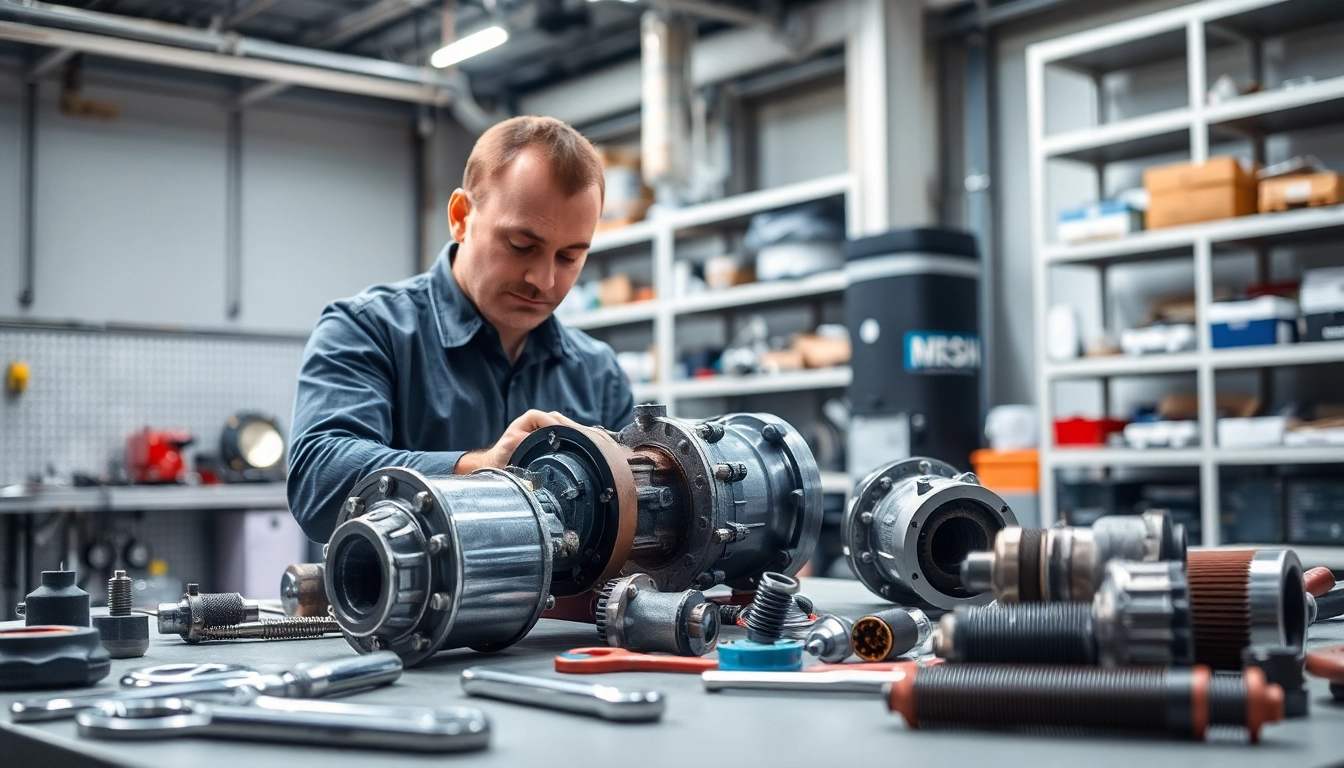
Understanding Hydraulic System Maintenance
Hydraulic systems are essential to the functionality of many industrial applications, machinery, and equipment. They rely on fluid power to transmit energy, providing efficient operation for everything from excavators to elevators. To ensure that these systems perform at their best, hydraulic system maintenance becomes a crucial factor. Regular maintenance not only optimizes performance but also extends the lifespan of hydraulic components, preventing costly breakdowns and repairs.
Importance of Regular Maintenance
Regular maintenance of hydraulic systems is critical for several reasons:
- Cost Efficiency: Preventive maintenance helps avoid major failures, reducing repair costs and downtime.
- Safety: Hydraulic system failures can lead to dangerous situations, especially in heavy machinery. Regular maintenance minimizes risk.
- Performance Optimization: Routine checks ensure all components function efficiently, maintaining productivity levels.
- Longevity: Just like any other mechanical system, keeping a hydraulic system in good condition prolongs its life span.
Common Hydraulic System Components
To understand maintenance tasks, it’s essential to know the key components of a hydraulic system:
- Hydraulic Fluid: The lifeblood of the system, it transmits power and must be kept clean.
- Pumps: They create hydraulic pressure, making the system operational.
- Actuators: Devices like cylinders and motors convert hydraulic energy into motion.
- Valves: Control the flow and pressure within the system.
- Filters: Remove contaminants from the hydraulic fluid, crucial for system health.
Signs of Potential Issues
Being proactive about maintenance means recognizing potential problems early. Common signs of hydraulic issues include:
- Leaking fluid, indicating component failure or seal degradation.
- Inconsistent operation or a drop in performance, highlighting pump or actuator issues.
- Unusual noises, such as grinding or whining sounds, suggesting internal malfunction.
- A noticeable increase in temperature may indicate fluid contamination or insufficient cooling.
Best Practices for Hydraulic System Maintenance
Implementing best practices can significantly enhance hydraulic system maintenance efforts, ensuring longevity and efficiency:
Daily and Weekly Maintenance Checks
The foundation of a robust maintenance program lies in daily and weekly inspections:
- Fluid Levels: Regularly check oil levels and add fluid as necessary. Ensure fluid is clean and of the right type.
- Visual Inspections: Look for external leaks, worn hoses, and loose fittings.
- Temperature Monitoring: Ensure the system operates within the recommended temperature range.
- Filter Checks: Evaluate the filtration system to maintain fluid cleanliness.
Detailed Inspection Protocols
More in-depth inspections should be carried out periodically, ideally once a month or as needed. These include:
- Testing Hydraulic Fluid: Conduct fluid analysis to detect contamination and wear particles.
- System Performance Testing: Utilize pressure gauges to ensure the system operates at optimal pressures.
- Examine Valves and Actuators: Check for wear and responsiveness.
Use of Quality Fluids and Filters
The type and quality of fluids and filters directly influence the performance of hydraulic systems. Key considerations include:
- Fluid Specifications: Always adhere to manufacturer recommendations regarding hydraulic fluids.
- Regular Filter Replacement: Replace filters at the recommended intervals; neglecting this can lead to system failure.
- Contamination Control: Ensure that only clean fluids are introduced into the system to minimize wear.
Tools Needed for Effective Maintenance
A successful maintenance routine requires the right tools and equipment:
Essential Tools and Equipment
Hydraulic maintenance encompasses a variety of tasks, and equipping oneself with the following tools is advisable:
- Wrenches and Sockets: Vital for tightening and loosening components.
- Pressure Gauges: Measure system pressure accurately.
- Fluid Testing Kits: Analyze fluid quality and contamination levels.
- Hose Cutters and Crimpers: For repairing or replacing worn hoses.
Safety Gear and Precautions
Safety cannot be overstated when dealing with hydraulic systems. Essential safety gear includes:
- Gloves: Protect hands from oil and sharp components.
- Safety Glasses: Shield eyes from fluid spray or debris.
- Steel-Toed Boots: Protect against heavy falling objects and provide traction.
Creating a Maintenance Toolkit
Assemble a comprehensive maintenance toolkit with essential items, including:
- Basic hand tools: wrenches, screwdrivers, and pliers.
- Fluid analysis kits to monitor hydraulic fluid quality.
- Replacement filters and seals to minimize downtime during maintenance.
Troubleshooting Common Hydraulic Issues
Despite best efforts at maintenance, issues may still arise. Identifying and resolving them promptly is key:
Diagnosing System Failures
Understanding common failure modes can accelerate troubleshooting:
- Fluid Leakage: Determine the source by inspecting hoses, seals, and connections.
- Pump Failure: Verify that the pump is receiving adequate fluid supply and check for internal damage.
- Pressure Loss: Check for blockages and malfunctioning valves in the hydraulic circuit.
Repair vs. Replacement Decisions
Maintenance professionals must decide when to repair parts and when to replace them:
- Assessing Wear: If a component shows significant wear or damage, consider replacing it before it fails.
- Cost Considerations: Evaluate the cost of repair against replacement and the expected lifespan of the component.
- Compatibility: Ensure new components match the specifications of the existing system.
When to Call a Professional
Some situations warrant the expertise of a professional technician, such as:
- Complex system failures that require specialized knowledge.
- Persistent leaks that are difficult to locate and repair.
- Upgrades or complex repairs that require a thorough understanding of hydraulic system dynamics.
Measuring Maintenance Effectiveness
To ensure that your maintenance practices yield positive results, establish metrics for effectiveness:
Tracking System Performance Metrics
Consider the following metrics to evaluate performance:
- Downtime tracking: Measure how often the hydraulic system is inoperative and the reasons.
- Fluid contamination levels: Monitor the quality of hydraulic fluid over time.
- Repair frequency: Analyze how often repairs are necessary to determine the reliability of components.
Utilizing Maintenance Logs
Maintaining a detailed log of all maintenance activities, observations, and repairs aids in:
- Establishing trends and identifying recurring issues.
- Providing accountability and a history of system performance.
- Facilitating future maintenance planning and resource allocation.
Continuous Improvement in Maintenance Practices
Use the insights gathered from tracking performance metrics and maintenance logs to enhance practices:
- Regularly review procedures and update them based on findings.
- Train staff on best practices and new technologies in hydraulic system maintenance.
- Implement feedback mechanisms to continually refine your maintenance processes.
FAQs on Hydraulic System Maintenance
What is hydraulic system maintenance?
Hydraulic system maintenance involves routine checks, repairs, and lubrication of hydraulic components to ensure efficient operation and safety. It minimizes downtime and extends equipment lifespan.
How often should I perform maintenance?
Maintenance frequency depends on usage but typically includes daily and weekly checks with in-depth inspections monthly or quarterly to ensure optimal performance.
What are common signs of hydraulic issues?
Common signs include fluid leaks, fluctuating performance, unusual noises, and overheating. Early detection is key to preventing major failures.
Can I perform hydraulic maintenance myself?
While simple checks can be done by anyone, complex repairs and inspections should be performed by qualified professionals to ensure safety and effectiveness.
What should I include in my maintenance toolkit?
A maintenance toolkit should include hand tools, fluid testing kits, replacement filters, seals, and safety gear to ensure you are prepared for various maintenance tasks.