Understanding SaaS Payments
What are SaaS Payments?
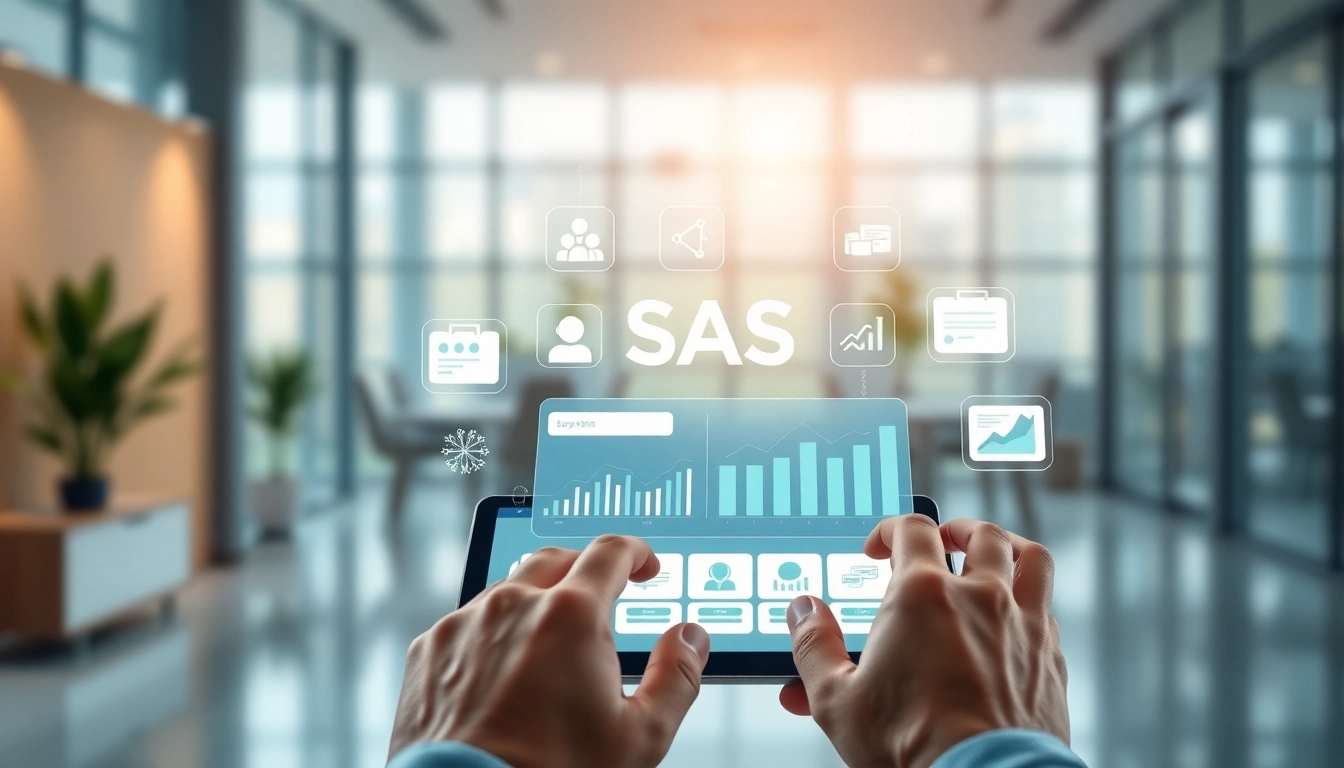
Software as a Service (SaaS) payments refer to the payment processes businesses utilize to charge customers for cloud-based software services. Rather than a one-time license fee, SaaS payments often involve subscriptions or usage-based models, allowing customers to pay for services as they use them. This modern payment approach is integral to the SaaS business model, as it ensures a steady revenue stream while providing customers with flexible payment options. SaaS payments are designed to streamline transactions while addressing customer needs in a dynamically evolving digital landscape.
The Importance of SaaS Payments
SaaS payments play a crucial role in the economic framework of any SaaS company. They align with the subscription model that allows recurring revenue, which can be easier to predict and manage than traditional one-time sales. This shift to recurring payments fosters customer loyalty and helps retain clients, providing a buffer against market volatility. The flexibility of subscription plans can also enhance customer satisfaction, catering to various customer segments and their usage patterns.
Common Payment Models in SaaS
Understanding common payment models in SaaS is essential for optimizing revenue and customer experience. Key models include:
- Subscription-Based: Customers pay a recurring fee (monthly or annually) for ongoing access to the software.
- Usage-Based: Fees based on how much the service is utilized, typically suited for businesses with fluctuating needs.
- Freemium: Basic services are offered for free, with advanced features accessible through a paid subscription.
- Tiered Pricing: Different pricing tiers provide varying levels of service to cater to different customer needs.
Challenges in Implementing SaaS Payments
Technical Integration Issues
Implementing SaaS payments can encounter various technical integration issues. Ensuring the payment system works seamlessly with existing software environments is crucial. Challenges may arise from compatibility with multiple platforms, API integration complexities, and data synchronization hurdles. Overcoming these issues often requires thorough planning, choosing the right payment gateway, and potentially custom development efforts to tailor services to specific business needs.
Security Concerns
Security is a top priority when it comes to SaaS payments. With the prevalence of cyber threats, businesses must adopt robust security measures to protect user data during transactions. This includes encryption, tokenization, and complying with industry standards such as PCI DSS. Moreover, ongoing risk assessments and updates are necessary to address emerging vulnerabilities effectively.
User Experience Challenges
User experience can make or break a SaaS payment implementation. If customers encounter friction during the payment process, such as cumbersome forms or unclear billing practices, they may abandon transactions. Optimizing the user journey with intuitive design, clear communication, and minimal steps is essential for maintaining engagement and encouraging successful conversions.
Best Practices for SaaS Payments
Choosing the Right Payment Gateway
Selecting an appropriate payment gateway is foundational to facilitating SaaS payments. When choosing a gateway, companies should consider transaction fees, integration capabilities, and the range of payment options available. It’s vital to select gateways that align with customer preferences, as well as those that support the geographic markets served by the business, to enhance both customer satisfaction and conversion rates.
Optimizing the User Journey
Optimizing the user journey involves ensuring that payment processes are customer-centric. Simplifying the checkout process, enhancing mobile responsiveness, and offering multiple payment options can significantly improve user satisfaction. Regular user testing and feedback collection can provide insights into pain points and help businesses adapt their payment processes continually to improve conversion rates.
Regular Compliance Checks
Staying compliant with financial regulations and data protection laws is critical for SaaS businesses handling online payments. Regular compliance checks help mitigate the risks of non-compliance and avoid potential legal issues. Businesses should keep abreast of changes in regulations and conduct periodic audits of their payment processes to ensure alignment with industry standards.
Case Studies of Successful SaaS Payment Implementations
Highlighting Effective Strategies
Examining successful case studies can illuminate effective strategies in SaaS payments. For example, a SaaS company may implement tiered pricing and offer a freemium model to attract diverse audiences while upselling premium features. By monitoring customer behavior and conversion metrics, they can refine their payment strategies to maximize revenue without sacrificing customer satisfaction.
Analyzing Performance Metrics
Integrating analytics tools can dramatically enhance the understanding of payment performance metrics. Key metrics include customer acquisition cost (CAC), lifetime value (LTV), churn rate, and conversion rates. Analyzing these metrics helps in making data-driven decisions that can significantly improve SaaS payment strategies and overall profitability.
Key Takeaways and Lessons Learned
Learning from successful implementations is invaluable. Key takeaways often include the importance of flexibility in payment models, the need for robust security measures, and the continuous iteration of payment processes based on customer feedback. Building a customer-centric payment experience not only retains existing users but also attracts new ones, ultimately enhancing revenue streams.
Future Trends in SaaS Payments
Emerging Technologies Impacting Payments
The future of SaaS payments is intimately tied to technological advancements. Emerging technologies, such as blockchain, artificial intelligence (AI), and machine learning, are shaping how transactions are processed. For instance, blockchain can enhance security and transparency, while AI can automate fraud detection and improve customer service experiences through chatbots and smart assistants.
Consumer Behavior Shifts
Understanding shifts in consumer behavior is essential for adapting SaaS payment strategies. With increasing demand for subscription flexibility and personalized experiences, businesses must be agile to meet customer expectations. Regularly researching consumer trends can inform how SaaS companies tweak their offerings to align with evolving market needs.
Predictions for the Next Decade
Looking ahead, predictions suggest a continued growth trajectory for SaaS payments as more businesses adopt cloud solutions. It’s expected that subscription models will become increasingly prevalent, alongside an expanding range of payment and pricing models. Companies that remain innovative and attentive to customer needs will stand out as leaders in the SaaS landscape.
Frequently Asked Questions
1. What are SaaS payments?
SaaS payments refer to the payment structures used for ongoing software access, typically involving subscriptions or usage-based fees rather than one-time payments.
2. What are the benefits of SaaS payments?
SaaS payments ensure predictable revenue, enhance customer retention, and allow for flexible pricing models that can adapt to user needs.
3. How do I choose a payment gateway for SaaS?
When choosing a payment gateway, consider transaction fees, integration compatibility, security features, and customer support options to match your business needs.
4. What challenges do businesses face in SaaS payments?
Common challenges include technical integration issues, security concerns, and ensuring a smooth user experience throughout the payment process.
5. What trends are shaping the future of SaaS payments?
Emerging technologies like AI and blockchain, alongside shifts in consumer behavior towards flexible payment options, are significantly influencing the future of SaaS payments.