
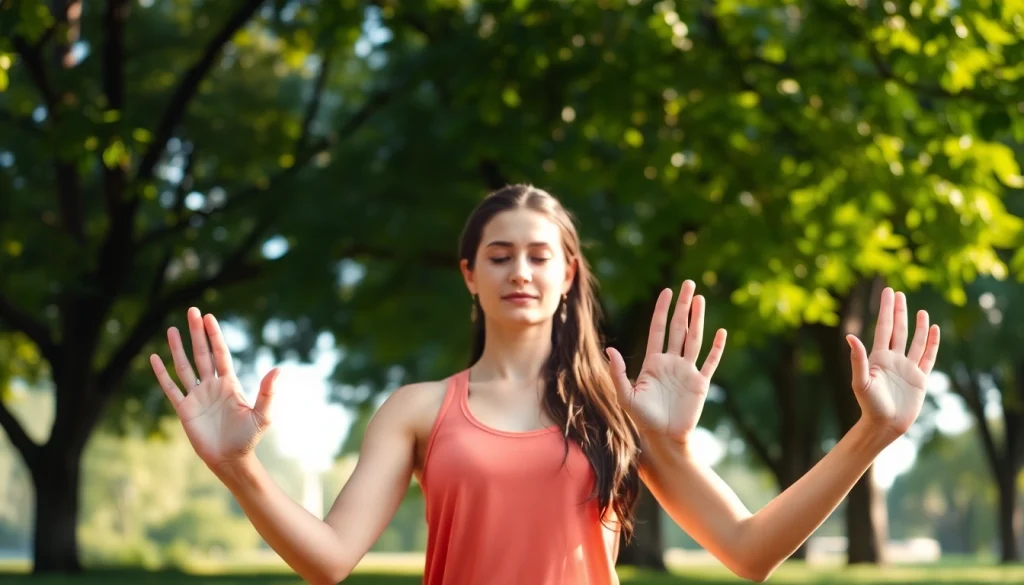
Introduction to Yoga Mudras
Yoga has long been celebrated as a pathway to physical health, mental clarity, and spiritual awakening. Among the lesser-known but powerful aspects of yoga practice are the Yoga mudras, or gestures made with the hands and body that are thought to influence energy flow and contribute to emotional balance. This comprehensive guide delves deep into the world of yoga mudras, exploring their meaning, history, benefits, and ways to incorporate them into daily practice.
What Are Yoga Mudras?
In Sanskrit, the term “mudra” translates to “gesture” or “seal.” Essentially, yoga mudras are specific positions of the hands and fingers, which are believed to enhance the flow of prana (life force energy) in the body. While many individuals think of yoga as primarily a physical pursuit, yoga mudras demonstrate that it encompasses a wide range of practices, including mindfulness, meditation, and energy work.
Each mudra corresponds to an element, organ, and emotion, acting as a tool to facilitate physical and energetic manifestations. By practicing these gestures, individuals aim to cultivate a deeper connection with their inner self and the universe.
Historical Significance of Yoga Mudras
The use of mudras dates back thousands of years and has its roots in ancient Indian spiritual practices. Early references can be found in Vedic texts and later in Buddhist scriptures, where they were used not only in meditation but also in rituals and art forms. Each mudra emanates a particular quality and contributes to the transmission of sacred teachings.
Historically, mudras were also employed in the context of dance and drama, emphasizing their importance in the cultural fabric of Indian society. As they evolved, mudras became an integral part of yoga practice, interwoven with various yogic and Ayurvedic disciplines.
Benefits of Yoga Mudras
The practice of yoga mudras offers numerous benefits that align with the spiritual, emotional, and physical aspects of yoga. Here are some key benefits:
- Emotional Balance: Certain mudras, like the Apan Vayu Mudra, are known to calm anxiety and stress, bringing emotional serenity and mental clarity.
- Energy Flow Regulation: Mudras help in channeling prana throughout the body, promoting vitality and reducing fatigue.
- Enhanced Meditation: Incorporating mudras can deepen one’s meditation practice by focusing intention and facilitating a connection to inner peace.
- Support for Physical Health: Some mudras can aid in specific health issues, such as digestive disorders or respiratory ailments.
Types of Yoga Mudras
Yoga mudras can be broadly categorized into different types based on their applications and areas of impact. Let’s explore these categories in detail.
Hand Yoga Mudras and Their Meanings
The most recognized types of yoga mudras are those performed with the hands. Each hand gesture is rich in meaning and serves a unique purpose. Here are a few notable ones:
- Gyan Mudra: Formed by touching the tip of the index finger to the tip of the thumb while keeping the other fingers extended, this mudra symbolizes wisdom and knowledge, enhancing mental clarity and focus.
- Prana Mudra: Bringing together the tips of the thumb, ring finger, and little finger, this gesture activates dormant energy within the body, promoting vitality and energy flow.
- Shuni Mudra: By touching the tip of the middle finger to the tip of the thumb, practitioners invite patience and discipline into their lives.
Body Yoga Mudras to Enhance Practice
In addition to hand gestures, certain body positions can amplify the yoga practice by creating a conducive environment for energy exchange. For example:
- Padmasana (Lotus Pose): A seated position that promotes calmness and focus, commonly practiced alongside hand mudras.
- Baddha Konasana (Bound Angle Pose): This position enhances flexibility and creates an opening for prana to flow effectively.
Specific Yoga Mudras for Healing and Wellbeing
Some mudras are particularly associated with healing specific conditions:
- Vayu Mudra: Involves wrapping the index finger at the base of the thumb, proving beneficial for headaches and arm pain.
- Apan Vayu Mudra: A lifesaving gesture often used in emergencies; it alleviates heart issues and balances the heart chakra.
How to Practice Yoga Mudras
Incorporating yoga mudras into your routine is easy and can be done at any time. Below is a step-by-step guide to help you begin.
Step-by-Step Guide to Basic Yoga Mudras
Begin with a quiet space where you can focus without distraction. Follow these steps for practicing a basic mudra:
- Find a comfortable seated position, such as Sukhasana (Easy Pose).
- Relax your shoulders, elongate your spine, and close your eyes.
- Select your mudra, like Gyan Mudra, and position your hands accordingly.
- Focus on your breath, inhaling deeply and exhaling slowly, allowing yourself to feel the energy associated with the mudra.
- Stay in this position for at least 5 minutes, or longer if you wish.
Integrating Yoga Mudras into Your Routine
To fully reap the benefits of yoga mudras, consider integrating them into your daily routine:
- During Meditation: Hold a mudra to enhance focus and deepen your meditation practice.
- Yoga Sessions: Combine mudras with asanas to balance energy and refine your practice.
- Throughout the Day: Use mudras during moments of stress or anxiety for immediate grounding and stabilization.
Tips for Effective Practice and Mindfulness
Here are some practical tips for practicing yoga mudras effectively:
- Stay mindful: Always approach your practice with awareness and intention.
- Maintain consistency: Regular practice will enhance your results over time.
- Be patient: The benefits of mudras take time to manifest, so give yourself the grace of gradual growth.
Yoga Mudras in Meditation
Meditation is a profound practice that can be significantly deepened by the use of yoga mudras. By aligning the body and mind, mudras can facilitate a more enriching meditation experience.
Enhancing Meditation with Yoga Mudras
Using yoga mudras during meditation can assist in focusing the mind, grounding energy, and inviting tranquility. Consider trying these approaches:
- Choose the right mudra: Select a mudra that resonates with the intention of your meditation session.
- Breathe mindfully: Allow your breath to guide your focus as you maintain the mudra.
- Visualize energy: Picture the energy flowing through your body as you hold the mudra.
Common Mudras for Deepening Meditation
Some mudras are particularly effective in meditation:
- Chin Mudra: Enhances concentration and calms the mind by connecting the index finger and thumb.
- Anjali Mudra: The gesture of prayer, promoting gratitude and grounding.
- Shambhavi Mudra: Involves gently gazing at the third eye, encouraging deeper introspection.
Creating a Personalized Meditation Practice
To make the most of your meditation practice, consider customizing it to suit your needs:
- Select your environment: Create a tranquil area that promotes focus and relaxation.
- Use aids: Incorporate gentle music or incense to enhance the experience.
- Adapting mudras: Explore different mudras and their effects on your meditative state to discover what resonates the most.
Advanced Yoga Mudras and Their Applications
For practitioners looking to deepen their understanding, there are complex yoga mudras that can enhance energy work and spiritual connection.
Exploration of Complex Yoga Mudras
Advanced mudras often involve intricate hand positions that may require practice and concentration. Here are a couple to explore:
- Mahasudarshan Mudra: Enhances intuition and spiritual vision, often utilized by experienced practitioners.
- Kameshvara Mudra: Engages multiple hand positions to promote energy alignment, beneficial in deeper yogic practices.
Using Yoga Mudras for Energy Channels
Advanced practitioners frequently connect mudras with the chakra system, utilizing specific gestures to enhance energy flow through the body’s energy channels:
- Root Chakra: Engage in grounding mudras that stabilize energy.
- Heart Chakra: Utilize open-hearted mudras that promote love and compassion.
Case Studies of Transformation through Yoga Mudras
Many individuals have reported life-changing experiences through consistent practice of yoga mudras. Case studies reveal at emotional and spiritual levels how mudras can create profound shifts:
- Personal transformation stories: Individuals recount increased emotional resilience, improved mental clarity, and an enhanced sense of well-being.
- Healing testimonials: Many claim relief from chronic conditions through the dedicated application of specific mudras within their daily routines.