
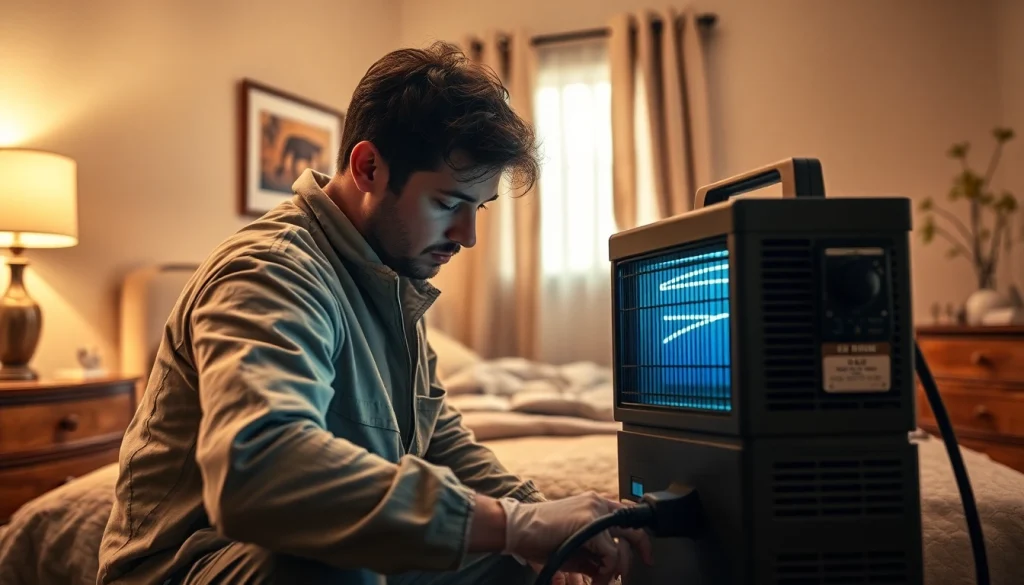
Understanding Bed Bugs and Their Habitats
What Are Bed Bugs?
Bed bugs are small, wingless insects that feed on the blood of humans and other warm-blooded hosts. Their scientific name is Cimex lectularius, and they are notorious for infesting homes, hotels, and public spaces. Typically, adult bed bugs are about 5 to 7 mm in length, resembling an apple seed in shape and color, and can live several months without feeding, making them resilient pests. Infestation commonly occurs through travel, where they hitch rides in luggage or clothing.
The Life Cycle of Bed Bugs
The life cycle of a bed bug is divided into several stages: egg, nymph, and adult. A female bed bug can lay up to 500 eggs in her lifetime, often in secluded, hidden locations. Once the eggs hatch, they go through five nymphal stages before reaching maturity. During this process, nymphs must feed on blood to molt to the next stage, which can occur in as little as 21 days under optimal conditions, although it may take longer in colder temperatures. Understanding the life cycle is crucial for effective extermination strategies.
Common Hiding Spots and Infestation Signs
Bed bugs are adept at hiding in small crevices. Common hiding spots include:
- Mattresses and box springs, particularly in seams and folds
- Headboards and bed frames
- Carpets and rugs, especially near the bed
- Behind wallpaper or picture frames
- Inside electrical outlets and appliances
Signs of bed bug infestation include waking up with unexplained bites, spotting dark fecal stains or shed skins on bedding, and presence of live insects or eggs. Recognizing these signs early on can assist in taking prompt action.
Choosing the Right Treatment Options
Chemical Spray Treatments Explained
Chemical spray treatments use insecticides to eliminate bed bugs and are often effective for immediate results. These products target the nervous system of pests, leading to their eventual death. It is essential to select pesticide products that are specifically formulated for bed bugs, as not all insecticides are effective. This type of treatment requires professional application to ensure safety and effectiveness. Proper application techniques are crucial to avoid potential health risks for humans and pets.
Heat Treatment: How It Works
Heat treatment is an increasingly popular method for exterminating bed bugs. This method involves raising the temperature of infested areas to between 120°F and 140°F, effectively killing bed bugs at all life stages. Heat penetrates various surfaces, including fabrics and wood, ensuring thorough extermination. This approach is chemical-free and reduces the risk of resistance that can occur with chemical treatments. However, it requires specialized equipment and trained professionals to implement safely.
Combination Approaches for Maximum Efficacy
Many extermination experts recommend a combination of chemical sprays and heat treatments for optimum results. This multi-faceted approach not only enhances effectiveness but also reduces the chances of reinfestation. Combining methods can catch bed bugs that may evade detection or elimination by one single method. Furthermore, using monitoring traps post-treatment can help ensure complete extermination.
Preparing Your Space for Extermination
Essential Preparation Steps
Proper preparation is vital to maximize the success of bed bug treatments. Key preparation steps include:
- Declutter the infested area to allow easier access for exterminators.
- Wash and dry all bedding, clothing, and linens on high heat to kill any pre-existing bed bugs.
- Vacuum your living space thoroughly, focusing on cracks and crevices where bed bugs may hide.
- Seal infested items in plastic bags to prevent the spread of bed bugs during the treatment process.
Executing these steps can significantly improve the outcome of your bed bug eradication effort.
What to Expect During Treatment
During treatment, whether chemical or heat, it’s common for occupants to be asked to vacate the area for several hours. Professionals will apply the chosen method while ensuring safety protocols are followed. Upon returning, you may notice a significant reduction in bed bug presence. However, vigilance post-treatment is essential to ascertain the effectiveness of the process.
Post-Treatment Guidelines to Follow
After treatment, several guidelines should be followed to maintain a bed bug-free environment:
- Avoid bringing in second-hand furniture or clothing without proper inspection.
- Encase mattresses and pillows in bed bug-proof covers.
- Continue to monitor the area regularly for signs of reinfestation.
- Maintain cleanliness through regular vacuuming and decluttering.
Adhering to these guidelines will help ensure the effectiveness of the treatment and prevent future infestations.
Maintaining a Bed Bug-Free Environment
Best Practices for Preventive Measures
Preventing bed bug infestations is often more effective than treating them. To maintain a bed bug-free environment, consider the following best practices:
- Regularly inspect and clean sleeping areas and common living spaces.
- Be cautious when traveling; inspect hotel rooms and ensure luggage is kept elevated.
- Educate yourself and household members about identifying bed bugs.
By taking proactive measures, you can significantly reduce the risk of an infestation.
Regular Inspections and Monitoring
Periodic inspections of your living spaces can help catch any potential infestations early. Consider integrating monitoring devices such as interceptors or traps under bed legs. These tools help capture bed bugs and provide reassurance regarding their presence. Regular checks can catch infestations before they escalate into larger problems.
How to Handle Potential Reinfestation
If bed bugs are spotted post-treatment, prompt action is required. Contact pest management professionals to discuss the potential for retreatment options. It’s important to communicate any new sightings accurately—this may involve inspecting surrounding areas and potentially neighboring units as bed bugs can migrate easily within apartment complexes.
Frequently Asked Questions about Bed Bug Extermination
How Long Does Treatment Last?
The longevity of treatment efficacy can vary significantly depending on the methods used and the individual’s preventive measures afterward. Chemical treatments may last for several months, but factors like reintroduction of bed bugs from outside or inadequate follow-up measures can compromise their effectiveness. Heat treatments tend to have longer-lasting effects due to the elimination of all life stages.
Are Chemical Treatments Safe for Pets?
Most professional-grade chemical treatments are designed to be safe for pets when applied by trained professionals. However, it is always advisable to consult with pest control experts prior to treatment regarding potential risks to household animals and any necessary precautions.
What Should I Do If I See Bed Bugs Again?
If bed bugs reappear, the first step is to avoid panic and act quickly. Document the sightings and contact pest control immediately to assess your situation. Prompt action is key to preventing infestations from spreading further within your home.
For more information on effective pest control strategies, refer to https://affordablebedbugexterminators.com for resources necessary for maintaining a pest-free environment.