
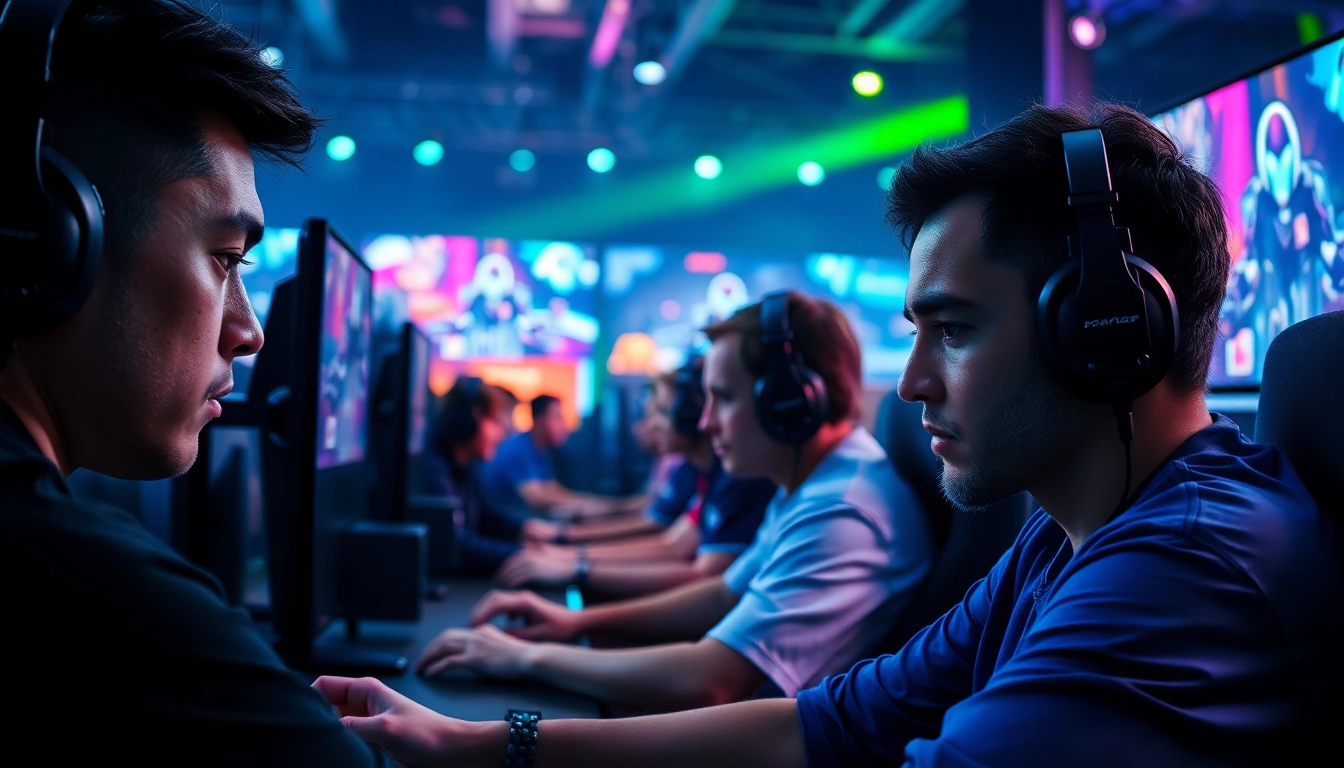
Understanding the Competitive Gaming Landscape
What is Competitive Gaming?
Competitive gaming, commonly known as eSports, involves organized competitions between players, either individually or in teams, usually for profit and recognition. The growth of competitive gaming has been phenomenal over the past decade. Streams and tournaments attract millions of viewers globally, creating an ecosystem that includes gamers, fans, publishers, and sponsors. This genre encompasses a variety of games and formats, allowing players of different skill levels to participate and aspire to reach professional status.
The Evolution of Esports
The roots of eSports can be traced back to the early days of video gaming, with small-scale competitions at arcades and universities. As technology advanced, so did the format of these competitions. The introduction of high-speed internet and streaming platforms allowed events to be broadcasted on a global scale. Today, major platforms like Twitch and YouTube gaming host countless streams, allowing fans to watch their favorite gamers in real time.
Moreover, the establishment of professional gaming leagues and associations has further legitimized the industry. Prize pools have exploded, with some tournaments boasting millions of dollars in reward money. With each passing year, eSports takes significant strides towards being recognized as a mainstream sport, driven by a dedicated viewership and an ever-growing community.
Key Trends in Competitive Gaming
As competitive gaming continues to thrive, several prominent trends are emerging:
- Increased Sponsorship and Investment: Companies across various industries are recognizing the potential of eSports as a marketing channel, leading to increased sponsorship deals.
- Diversity in Game Genres: While first-person shooters (FPS) remain popular, genres like battle royale, real-time strategy (RTS), and multiplayer online battle arena (MOBA) games are gaining traction.
- College and University Programs: More institutions are offering collegiate eSports programs, providing scholarships and structured pathways for players and enthusiasts alike.
- Integration of Advanced Technology: Innovations in virtual and augmented reality are on the horizon, promising to reshape competitive gaming experiences.
Popular Genres in Competitive Gaming
First-Person Shooters: The Dominant Genre
First-person shooters have established themselves as the face of competitive gaming. Titles like Counter-Strike, Call of Duty, and Overwatch have drawn millions of players and spectators due to their intense gameplay and strategic depth. The skill required to master these games ranges from quick reflexes to deep game knowledge, attracting a diverse player base from casual gamers to professional competitors.
Real-Time Strategy Games and Their Appeal
Real-time strategy (RTS) games like StarCraft and Dota 2 have garnered dedicated audiences due to their complex mechanics and tactical gameplay. These games emphasize resource management and strategic planning, appealing to players who enjoy cerebral gameplay. Competitive RTS tournaments often showcase exceptional skill and strategy, further enhancing their reputation within the eSports community.
Battle Royale Games: A New Gaming Phenomenon
Battle royale games like Fortnite and PUBG have revolutionized the competitive scene, blending elements of survival and shooter genres. Their unique formats—where players compete to be the last person or team standing—create an intense atmosphere that captures both players and viewers. These games are especially popular among younger audiences, making them a crucial area for engaging new gamers and potential eSports athletes.
How to Get Started in Competitive Gaming
Building Your Skills: Essential Tips
To embark on a journey in competitive gaming, players need to focus on skill development. Here are essential tips:
- Practice Regularly: Consistency is key—dedicating hours each week to hone skills is crucial for improvement.
- Study Game Mechanics: Understanding game mechanics, maps, and character abilities can give players an edge in competitive settings.
- Watch and Learn: Observing professional players and tournaments can provide invaluable insights into strategies and gameplay techniques.
Choosing the Right Game for You
Choosing the right game is paramount; not every genre suits every player. Gamers should consider various factors, including their personal interests, skill sets, and the competitive scene surrounding a game. Engaging with various titles can help players identify where their strengths lie and where they might engage with the largest community.
Connecting with the Community
Community is another vital aspect of competitive gaming. Engaging with fellow gamers through forums, social media, and events can enhance the experience and provide necessary support. Whether through local tournaments or online communities, players can meet like-minded individuals who share their passion and can further their gaming journeys.
Tools and Resources for Competitive Gamers
Equipment Essentials: What You Need
Having the right equipment can significantly impact a gamer's performance. Essential equipment includes:
- Gaming PC or Console: The foundation for gaming; having sufficient processing power and graphics capabilities is essential.
- High-Quality Monitor: A fast refresh rate and low response time can give gamers a competitive edge.
- Gaming Mouse and Keyboard: These peripherals can increase precision and responsiveness, tailored for gaming performance.
- Headset: Quality headsets help with team communication and immersion in the gaming experience.
Top Platforms for Streaming and Competing
Streaming is an integral part of the competitive gaming landscape. Platforms such as Twitch and YouTube Gaming offer gamers the opportunity to showcase their skills and build an audience. Participation in these platforms can lead to networking opportunities and commercial prospects, catering to both amateur and professional players.
Online Communities and Forums
A strong community can be a player’s greatest asset. Online forums and platforms like Discord allow gamers to connect, share strategies, and even find teammates for competitive play. Games often have dedicated subreddits or community-driven websites with guides, discussion threads, and news that keep everyone engaged in the ecosystem.
The Future of Esports: What to Expect
Technological Innovations Impacting Gaming
The future of competitive gaming is promising, especially with advancements in technology set to impact the industry in various ways. AR and VR technologies are already pushing the boundaries of how players experience games, introducing immersive environments that could change competitive play forever. Furthermore, developments in AI could provide new tools for training and improving player skills.
Growing Opportunities in the Industry
As the industry's popularity rises, so do the career opportunities it presents. From professional players and coaches to game developers and event organizers, the demand for skilled individuals is constant. Emerging roles in areas like digital marketing, content creation, and analytics are also available, ensuring that enthusiasts can find a place in a world they love.
Upcoming Tournaments to Watch
Keeping an eye on upcoming tournaments can be essential for both players and fans in the competitive gaming scene. Major events often attract international competitors and viewers alike. Events like championships in popular games are not only thrilling to watch but also provide insights into the evolving strategies and meta within the gaming community.
For more detailed insights into the world of gaming, visit https://www.gamelevate.com. Exploring this resource can help gamers stay ahead of the trends and developments shaping the future of eSports.