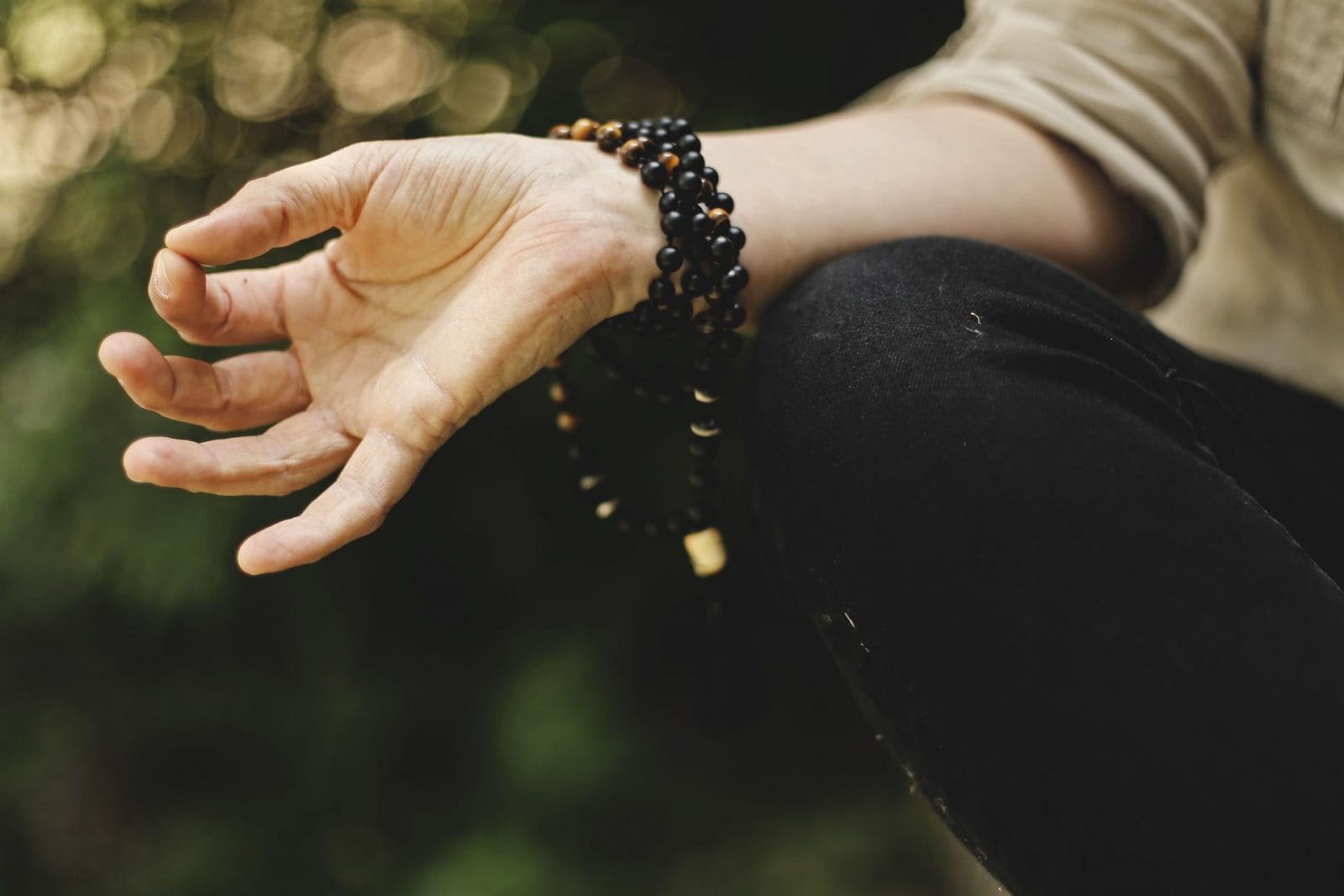
Understanding Yoga Mudras
What Are Yoga Mudras?
Yoga Mudras are hand gestures or symbolic positions used in yoga and meditation to influence the flow of energy within the body. These ancient practices date back thousands of years, playing a pivotal role in enhancing physical, mental, and spiritual well-being. Each mudra is believed to stimulate specific energy channels in the body, helping practitioners achieve a deeper state of meditation and focus. By integrating these gestures into your practice, you can unlock potential benefits that go beyond mere postures. For a comprehensive exploration, visit the Yoga Mudras section.
History and Origin of Yoga Mudras
The use of Mudras in yogic practices is deeply rooted in Indian spiritual traditions. Texts such as the Upanishads and the Hatha Yoga Pradipika mention various hand gestures to harness energy, aligning the body and mind towards higher consciousness. Originally, Mudras were designed not just as physical symbols, but as a means of channeling divine energy and spirituality. Over centuries, these gestures were integrated into various yogic disciplines and continue to enrich practices worldwide.
How Mudras Enhance Yoga Practice
Incorporating Yoga Mudras into your routine can significantly amplify the effectiveness of your yoga practice. They act as tools for enhancing mindfulness, grounding energy, and improving focus during meditation. Mudras are believed to promote better posture alignment, enhancing breathing techniques and aiding concentration. This integration allows practitioners to delve deeper into their practice, connecting with their inner selves and achieving a heightened state of awareness.
Types of Yoga Mudras
Hasta Mudras: Hand Gestures
Hasta Mudras, or hand gestures, are the most recognized forms of Yoga Mudras. Each Hasta Mudra serves specific purposes, and practitioners can choose them based on the energetic needs during their practice. For instance, the Gyan Mudra (joining the tip of the index finger and thumb) enhances concentration and knowledge, while the Apana Mudra helps in detoxifying the body.
Other Common Yoga Mudras
While Hasta Mudras are the most frequently practiced, there are numerous other Yoga Mudras that practitioners can explore. These include:
- Shakti Mudra: Energizes and awakens the feminine energy within.
- Prithvi Mudra: Increases stability and recognition of one’s strengths.
- Varuna Mudra: Balances water elements, promoting calming effects and reducing anxiety.
- Surya Mudra: Boosts metabolism and stimulates the digestive fire.
- Vayu Mudra: Aids in alleviating anxiety and providing relief from stress.
Choosing the Right Mudra for Your Practice
Selecting the appropriate mudra is crucial for obtaining the desired benefits. Beginners should consider their current emotional and physical states. For instance, if experiencing anxiety, individuals might benefit from Vayu Mudra to help ground them. Alternatively, those seeking clarity may opt for Gyan Mudra. It is also advisable to practice these gestures in a quiet, meditative setting to observe their effects intuitively.
Benefits of Practicing Yoga Mudras
Mudras for Physical Health
Practicing specific Yoga Mudras has shown significant impact on physical health. Various studies indicate that hand gestures like Prithvi and Surya Mudras can enhance bodily functions such as digestion, metabolism, and even circulation. They assist in controlling energy imbalances, often reflected in physical ailments. Furthermore, mingling Mudras with pranayama strengthens the connection between body and mind.
Mudras for Mental Clarity and Focus
Yoga Mudras can act as catalysts for amplifying mental faculties. Practices involving Gyan Mudra and Apana Mudra are especially effective in promoting mental clarity, focus, and memory retention. By consciously directing energy through these gestures, practitioners find it easier to concentrate during meditation sessions and daily activities, leading to enhanced cognitive function.
Emotional and Spiritual Benefits of Yoga Mudras
Beyond the physical benefits, Yoga Mudras provide profound emotional and spiritual advantages. Mudras like Shakti and Varuna are known to help individuals connect with their inner selves, fostering emotional healing and restoration. Regular practice can lead to a sense of calm, reduced anxiety, increased emotional stability, and improved spiritual awareness.
Incorporating Yoga Mudras into Your Routine
Tips for Beginners
Starting with Yoga Mudras doesn’t require prior experience. Beginners are advised to begin with simple gestures, such as Gyan Mudra or Anjali Mudra (prayer position). Gradually introducing more complex Mudras will allow individuals to adjust to the sensations and experience the benefits. It’s advisable to practice in a quiet environment to foster concentration and clarity.
Best Practices for Daily Practice
To maximize the benefits of Yoga Mudras, integrate them into daily routines. Here are some best practices:
- Set aside a specific time each day for practice.
- Combine Mudras with meditation or deep breathing exercises.
- Maintain proper posture to enhance energy flow.
- Record personal experiences and observations for future reference.
Common Mistakes to Avoid
While practicing Yoga Mudras, novices often make common mistakes. These include:
- Neglecting the significance of breath; it’s crucial to focus on breath while practicing Mudras.
- Choosing inappropriate Mudras without understanding the energetic requirements.
- Rushing through the practice instead of allowing time for sensations and energy flow.
Addressing these pitfalls will enhance your practice, leading to a more fulfilling experience.
Frequently Asked Questions about Yoga Mudras
What is the most popular Yoga Mudras?
The Gyan Mudra is often regarded as one of the most popular Yoga Mudras. It enhances knowledge and concentration, making it widely favored among practitioners.
Can Yoga Mudras help in meditation?
Yes, Yoga Mudras significantly enhance meditation practices by helping to focus energy and promote a state of deep concentration and calm.
Are there specific Mudras for stress relief?
Mudras like Vayu and Surya are beneficial for stress relief. They help in grounding energy and calming the nervous system.
How long should I hold a Yoga Mudra?
It’s recommended to hold a Yoga Mudra for at least 5 to 15 minutes, depending on comfort level and personal preference.
Do Mudras have cultural significance?
Yes, Yoga Mudras carry rich cultural significance, representing spiritual beliefs and practices across various traditions, enhancing both physical and spiritual well-being.