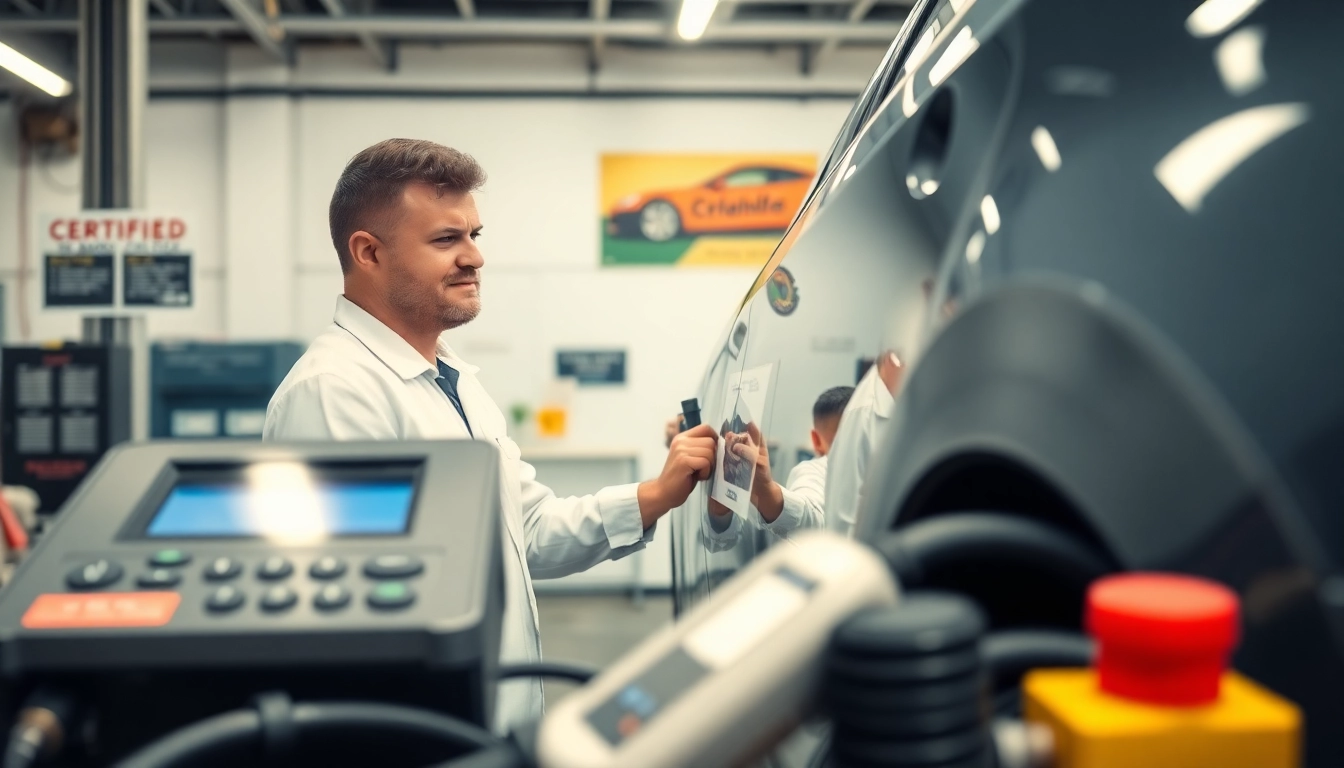
Understanding the California Smog Check Requirements
The California Smog Check is a critical component in maintaining vehicle emissions standards and improving air quality across the state. Established to reduce air pollution, the smog check program is a regulatory measure that ensures all vehicles on the road meet certain environmental standards. This comprehensive guide aims to clarify the intricate requirements of the California Smog Check, detailing which vehicles are subject to inspection, the emissions standards they must comply with, and important exemptions that may be available to specific vehicle owners.
What Vehicles Are Subject to California Smog Check?
In California, most gasoline-powered vehicles that are model year 1976 and newer are required to undergo a smog check. However, certain categories of vehicles are explicitly subject to these regulations:
- Passenger Vehicles: Most standard cars and SUVs fall under this requirement.
- Light-Duty Trucks: Trucks weighing less than 8,500 pounds, as long as they are gasoline-powered.
- Diesel Vehicles: Diesel cars manufactured after 1998 that are under 14,000 pounds.
Notably, there are specific scenarios where certain vehicles such as hybrids and electric vehicles are exempt from the traditional smog check regulations. Understanding which vehicles require checks is essential to ensure compliance and avoid fines.
Key Emissions Standards for Compliance
The California Air Resources Board (CARB) has established stringent emissions standards that vehicles must meet during smog checks. These include:
- Fixed Emission Limits: Each vehicle classification has defined thresholds for various pollutants like hydrocarbons, nitrogen oxides, and carbon monoxide.
- ObdII Standards: Most newer cars are equipped with On-Board Diagnostics II systems that monitor emissions-related components. These vehicles undergo a compliance check of the onboard diagnostic system during the inspection.
- Inspection and Maintenance Programs: Vehicles can be subject to further scrutiny under local programs designed to improve air quality in specific regions.
The stringent nature of California's emissions standards is intended to keep harmful pollutants from entering the atmosphere, promoting a healthier living environment for all residents.
Important Exemptions to Know
While many vehicles are required to participate in the California Smog Check program, some exemptions exist:
- New Vehicles: Vehicles that are less than six years old are typically exempt from smog checks during this initial period.
- Electric Vehicles: Fully electric vehicles are exempt from smog checks due to their zero-emission status.
- Motorcycles: Non-vehicle motorcycles may also be exempt depending on specific local regulations.
Understanding these exemptions helps vehicle owners save time and resources while ensuring compliance with state regulations.
The California Smog Check Process Explained
The California Smog Check process is designed to be straightforward, ensuring both thoroughness and transparency to vehicle owners. Here we explore the step-by-step process one should expect when undergoing a smog check.
Step-by-Step Overview of the Inspection Procedure
- Appointment Scheduling: Vehicle owners should schedule an appointment with a licensed smog check station.
- Initial Inspection: Upon arrival, the technician may conduct a visual inspection of the vehicle’s exterior and under the hood.
- Emissions Testing: The technician will perform emissions tests using specialized equipment to determine whether the vehicle meets the state’s emissions standards.
- Diagnostic Scanning: For vehicles equipped with OBDII systems, the diagnostic computer will be scanned to pull any error codes related to emissions systems.
- Result Review: Once the testing is complete, the technician will review the results with the vehicle owner and issue a pass or fail notice based on the findings.
This systematic approach ensures that every aspect of the vehicle’s emissions is inspected and documented thoroughly.
Common Tools Used in California Smog Checks
Several advanced tools and technologies are utilized during the California Smog Check process to ensure accurate measurements of a vehicle's emissions:
- Gas Analyzers: These tools measure the concentration of pollutants in the exhaust emissions.
- Dyno Testers: Some vehicles may be placed on a dynamometer to simulate real-world driving conditions while measuring emissions.
- OBDII Scanners: Used to retrieve diagnostic trouble codes and ensure all components are functioning correctly.
These tools play a crucial role in the efficacy of the smog check process, aiming to ensure vehicles are operating within acceptable environmental limits.
Understanding the Results and What They Mean
After the smog check, understanding the results is vital for vehicle owners:
- Pass: The vehicle meets emissions standards, and the smog check certificate is issued.
- Fail: The vehicle fails to meet emissions standards and requires repairs to specific components identified during the check.
- Advisory Notices: If certain issues are noted but not critical, the technician may issue advisory notices that suggest preventive measures.
Grasping these outcomes is essential for timely action and compliance with state regulations.
Benefits of Regular California Smog Checks
Regular California Smog Checks come with a host of benefits that extend beyond compliance with the law. Here are several advantages that vehicle owners should consider.
Impact on Air Quality and Environmental Health
One of the most significant benefits of the California Smog Check program is its essential role in improving air quality. Reducing vehicle emissions leads to a decrease in airborne pollutants, thereby:
- Lessening the incidence of respiratory diseases among residents.
- Improving overall public health through cleaner air.
- Contributing to broader environmental goals aimed at addressing climate change.
A proactive approach to vehicle emissions ultimately ensures healthier ecosystems and sustainable living conditions.
Financial Savings Through Early Problem Detection
Regular smog checks can lead to significant financial savings over time due to the early identification of potential issues:
- Cost of Repairs: Identifying and correcting issues early prevents more extensive repairs in the future, which can be cost-prohibitive.
- Fuel Efficiency: Vehicles that meet emissions standards often run more efficiently, leading to lower fuel costs.
- Insurance Premiums: Keeping a vehicle in top condition can contribute to lower insurance costs, as insurers may offer discounts for well-maintained vehicles.
Preventing minor problems from escalating into major ones can enhance vehicle longevity and save owners from costly repair bills.
Compliance with State Regulations and Avoiding Fines
Staying up-to-date with California's smog check requirements is critical for legal compliance. Failure to adhere to these regulations can lead to hefty fines and penalties:
- Fines: Vehicles found operating without a valid smog check can incur substantial fines.
- Registration Issues: Vehicles that do not pass the smog check are unable to renew their registration.
Adhering to the California Smog Check requirements protects vehicle owners from legal enforcement actions and associated costs.
Common Issues Found During a California Smog Check
Understanding common issues detected during the smog check process can empower vehicle owners to take preventative measures.
Understanding Frequent Emissions Failures
Some vehicles are more prone to emissions failures due to a variety of factors:
- Aging Vehicles: Older cars often face challenges in meeting emissions standards due to outdated technology.
- Improper Maintenance: Neglecting regular maintenance can lead to unforeseen failures of critical emissions components, such as catalytic converters.
- Fuel Quality: Poor-quality fuel can cause a vehicle to emit harmful substances that exceed regulatory limits.
Recognizing these common issues can aid vehicle owners in addressing problems proactively and keeping their vehicle compliant.
How to Address Common Mechanical Problems
Addressing issues found during a smog check can help ensure future compliance. Owners should consider:
- Troubleshooting: Identify and address any error codes that may arise from the vehicle's OBDII system.
- Regular Tune-Ups: Perform regular tune-ups to keep engines running smoothly, as this can help maintain efficient emission levels.
- Check Emissions Systems: Regular inspections of critical components like oxygen sensors and catalytic converters.
Taking these steps greatly enhances the likelihood of passing future smog checks.
The Role of Proper Vehicle Maintenance
Engaging in consistent vehicle maintenance is paramount for passing the smog check:
- Scheduled Oil Changes: Regular oil changes help the engine operate efficiently, positively impacting emissions.
- Tire Maintenance: Keeping tires properly inflated can improve fuel efficiency and reduce emissions.
- Air Filter Changes: Replacing air filters on schedule can ensure optimal combustion and reduce harmful emissions.
Routine maintenance not only aids compliance but also extends the vehicle's lifecycle while enhancing performance.
Preparing for Your California Smog Check
Preparation plays a key role in the success of a California Smog Check. Here are essential steps to take prior to the inspection.
Essential Steps to Take Before the Inspection
Before heading to the smog check station, vehicle owners can take several proactive measures:
- Check Fluid Levels: Ensure that essential fluids such as oil, coolant, and transmission fluid are at appropriate levels.
- Review Maintenance Records: Be aware of any repairs or maintenance performed recently that may impact emissions.
- Make Necessary Repairs: Address any visible mechanical issues, particularly those that may impact your vehicle's emissions systems.
Effective preparation can streamline the inspection process, reducing time and hassle.
What to Expect During the Appointment
During the smog check appointment, vehicle owners should be prepared for the following:
- Taken Through the Process: Technicians will guide you through the inspection process and answer questions.
- Length of Inspection: Be aware that inspections can take anywhere from 20 minutes to an hour depending on vehicle type and condition.
- Discussion of Results: Technicians will share inspection results with you immediately upon completion.
Understanding what to expect can help reduce pre-inspection anxiety.
Post-Inspection Steps and Recommendations
After the inspection, it's crucial to take appropriate actions based on the results:
- Documentation: Keep your receipt and any documentation from the inspection for future reference.
- Addressing Failures: If the vehicle fails, address required repairs promptly to avoid registration issues.
- Plan for Future Checks: Schedule regular maintenance and prepare for future smog checks to ensure ongoing compliance.
By following these steps, vehicle owners can maintain compliance and contribute to cleaner air quality.