Understanding Construction Site Safety
Definition and Importance of Construction Site Safety
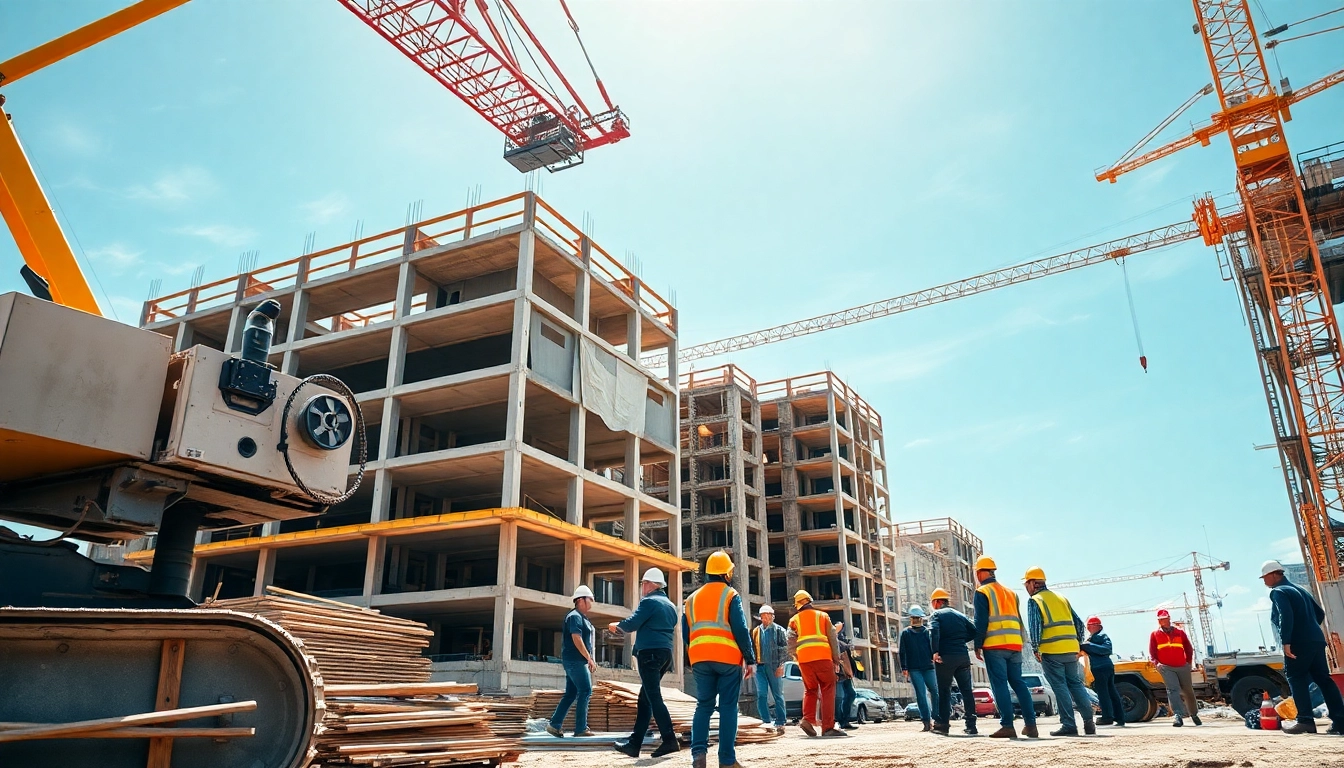
Construction site safety refers to the policies, procedures, and practices that ensure the well-being of workers and the integrity of the site during construction. The importance of construction site safety cannot be overstated; it protects lives, reduces the potential for accidents, and promotes a culture of safety among workers. Fostering an environment where safety is a priority decreases liability for companies and builds trust among employees, ultimately leading to greater productivity and morale.
Common Hazards in Construction Sites
Identifying hazards is essential for maintaining safety on construction sites. The most common hazards include:
- Falls: One of the leading causes of injuries and fatalities in construction, falls can occur from heights or due to slipping and tripping.
- Electrical hazards: Working near power lines or using electrical equipment exposes workers to electric shocks and burns.
- Equipment accidents: Heavy machinery can pose significant risks if not operated safely, leading to serious injuries or even fatalities.
- Hazardous materials: Exposure to chemicals without proper safeguards can result in health complications for workers.
- Noise: Prolonged exposure to loud machinery can lead to hearing loss over time.
Awareness and assessment of these hazards are crucial for implementing effective safety measures.
Legal Requirements for Construction Site Safety
Legal mandates regarding construction site safety vary by region, but typically include regulations established by occupational safety and health administrations. Employers are required to provide a safe workplace, conduct regular inspections, and ensure that employees receive proper training. Compliance not only minimizes accidents but also shields companies from potential legal repercussions and penalties resulting from neglecting safety standards.
Key Components of a Construction Site Safety Plan
Identifying Risks and Hazards
Risk management begins with conducting thorough risk assessments. This involves identifying potential hazards and evaluating the risks associated with each. Factors such as site conditions, weather, and the specific tasks being performed should be considered. Utilizing checklists and conducting regular walkthroughs ensures that risks are consistently monitored and managed.
Effective Training Programs
Training is fundamental to promoting construction site safety. Programs should be comprehensive and ongoing, covering safe work practices, equipment usage, and emergency response. Hands-on training sessions and simulations can enhance learning retention. Additionally, refreshing training regularly ensures that workers stay updated on the latest safety practices and protocols.
Emergency Response Procedures
Having robust emergency response procedures is vital for mitigating the impact of accidents. These procedures should outline clear evacuation routes, designate safety officers, and provide protocols for reporting injuries. Regular drills can familiarize workers with these procedures and improve response times in actual emergencies. Communication systems should be established to quickly convey safety information to all personnel on-site.
Implementing Construction Site Safety Measures
Personal Protective Equipment (PPE)
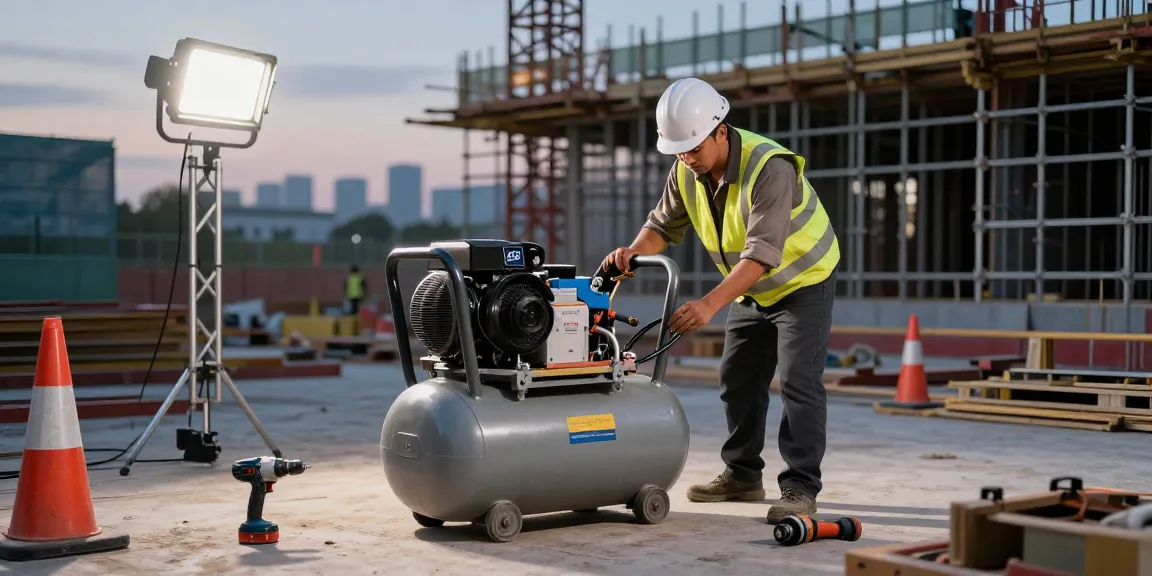
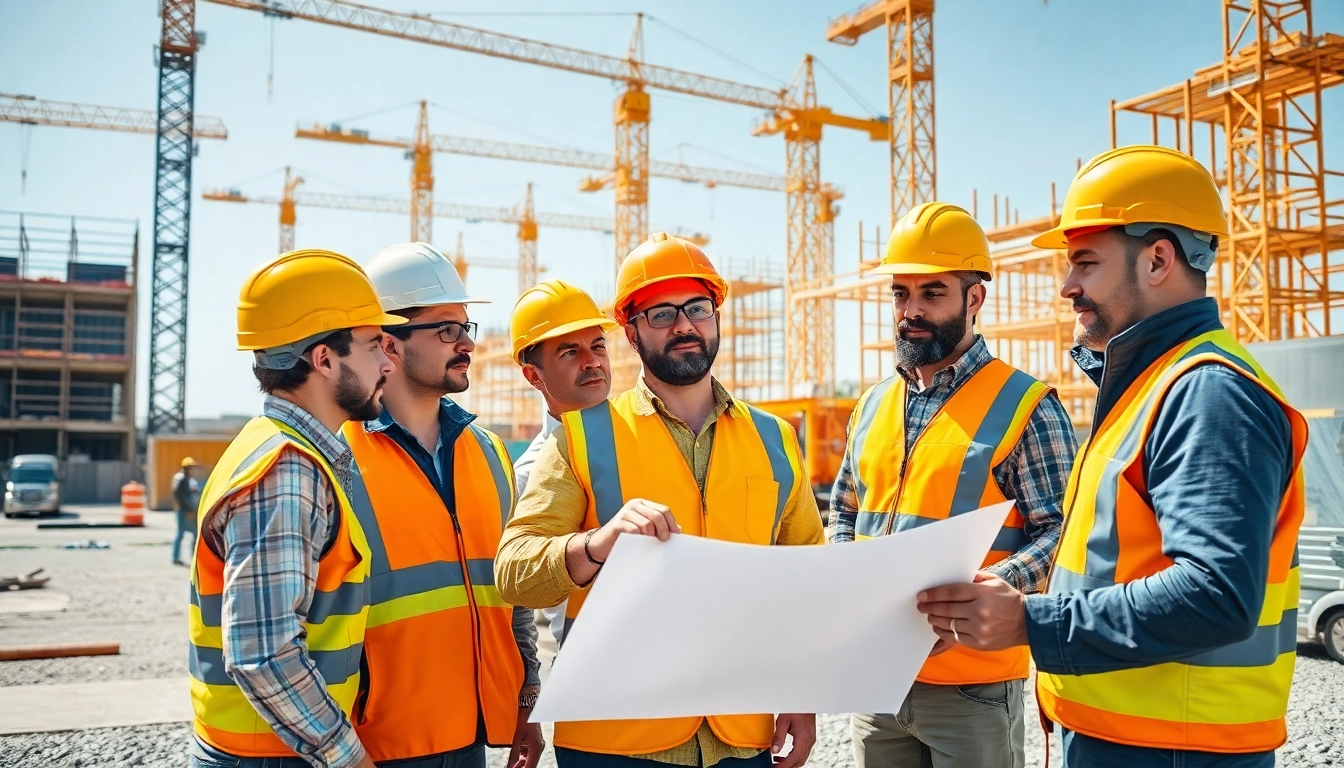
Personal protective equipment is essential in safeguarding workers against various hazards. The basic PPE includes:
- Hard hats: Protect against falling objects.
- Safety glasses: Shield the eyes from debris and chemicals.
- Gloves: Prevent cuts and abrasions.
- High-visibility vests: Enhance visibility in high-traffic areas.
- Steel-toed boots: Protect feet from heavy objects.
Ensuring that all workers are equipped with the appropriate PPE and are trained in its use is essential for reducing injury risks.
Site Inspections and Audits
Regular site inspections and audits are fundamental components of maintaining safety on construction sites. Inspections help identify hazards before they cause accidents while audits assess the effectiveness of existing safety measures. This proactive approach allows site managers to address issues promptly and ensure compliance with safety regulations.
Safety Signage and Communication
Clear and visible signage is imperative for guiding personnel on-site and warning of potential hazards. Safety signs should be posted strategically throughout the site, providing instructions, warnings, and necessary guidelines. Effective communication also includes regular safety meetings and updates, fostering an open dialogue around safety concerns among workers.
Monitoring and Evaluating Safety Performance
Reporting and Documentation Practices
Documentation of safety practices is critical for accountability and continuous improvement. This includes incident reports, training records, and inspection logs. Establishing a clear process for reporting hazards and accidents enables prompt action and facilitates the analysis of trends over time, helping to prevent future occurrences.
Safety Metrics and Indicators
To measure safety performance effectively, construction companies should track key safety metrics, such as:
- Number of incidents and near misses
- Employee training completion rates
- Frequency of site inspections
- Time lost due to injuries
Analyzing these indicators allows management to assess the effectiveness of safety measures and identify areas for improvement.
Continuous Improvement Strategies
Construction site safety should be a dynamic process that evolves based on collected data and emerging best practices. Implementing a continuous improvement strategy allows organizations to refine their safety protocols, embrace innovative technologies, and respond effectively to new challenges on-site. Engaging workers in this process ensures that feedback from those directly involved in operations is taken into account.
FAQs about Construction Site Safety
What are the main hazards on construction sites?
Common hazards include falling objects, electrical risks, and equipment accidents. Awareness is crucial.
What equipment is essential for construction site safety?
Essential equipment includes helmets, gloves, high-visibility vests, and safety boots to protect workers.
How often should safety training be conducted?
Safety training should be conducted regularly, ideally quarterly, and whenever new hazards or changes occur.
What should be part of an emergency plan?
An emergency plan should include evacuation routes, contact information for emergency services, and role assignments.
How can safety compliance be ensured?
Regular audits, checks, and a safety culture in the workplace help ensure compliance with safety standards.
In conclusion, a well-structured approach to construction site safety not only protects workers but also enhances overall project efficiency. Investing in training, using PPE, conducting regular audits, and fostering a culture of safety can significantly reduce the risks associated with construction work. Each element, from identifying hazards to ongoing training and improvement, plays a vital role in creating a safer construction environment.