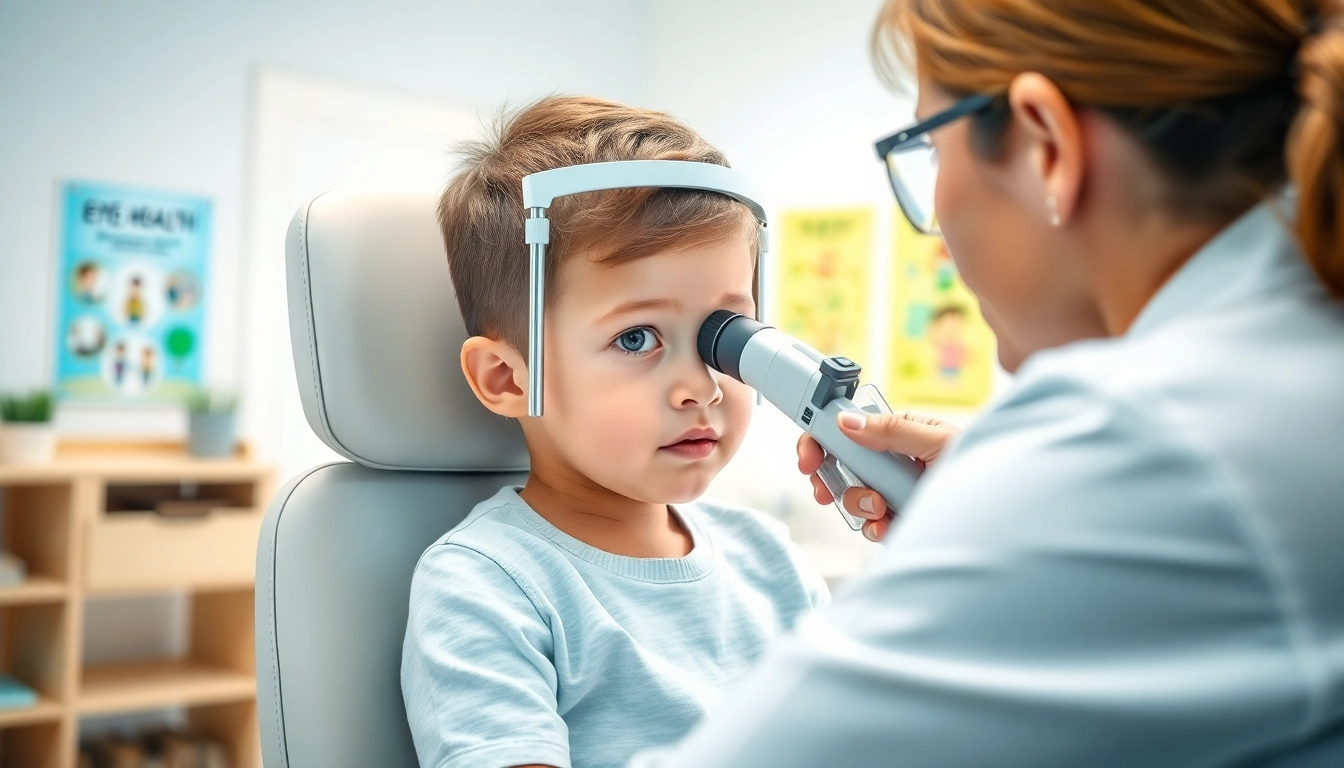
In a world increasingly reliant on visual acuity, the topic of children's vision health has never been more critical. Many parents may not realize that children's eyesight is a fundamental pillar of their overall development. The alarming fact remains that millions of children today are suffering from unaddressed vision problems due to a lack of access to basic eye care. That's where initiatives like Our Children's Vision come into play, striving to provide vital eye care to children across various communities. This article dives deep into the significance of children's vision care, the objectives of the Our Children's Vision initiative, and actionable steps parents and communities can take to safeguard the visual health of future generations.
The Importance of Vision Care for Children
Understanding Common Vision Problems in Kids
Children often face several vision problems that can adversely affect their learning and development. A few prevalent issues include:
- Myopia (Nearsightedness): A condition where distant objects appear blurry while close objects can be seen clearly. This is increasingly common among school-aged children.
- Hyperopia (Farsightedness): Kids with this condition may struggle with seeing nearby objects clearly, causing difficulties in reading and concentration.
- Astigmatism: This refractive error is due to an irregular shape of the eye, leading to distorted or blurred vision.
- Amblyopia (Lazy Eye): A developmental issue where one eye fails to achieve normal visual acuity, often due to misalignment or significant differences in prescription between the two eyes.
Early identification of these issues is essential for effective management and treatment, highlighting the necessity of regular eye examinations from a young age.
Impact of Poor Vision on Childhood Development
Poor vision can cascade into a myriad of challenges for children, particularly in learning environments. Studies have shown that children with untreated vision issues may encounter difficulties in:
- Academic Performance: Vision problems can cause struggles in reading, writing, and even participating in classroom activities, leading to lower grades and reduced self-esteem.
- Social Interactions: Children may experience vulnerability in social situations; difficulty in seeing may prevent them from recognizing non-verbal cues or engaging in group activities.
- Physical Development: Vision plays a significant role in motor skills. Problems in this area can hinder a child's ability to participate in sports or physical play, affecting their overall health.
Through early screening and proper preventive measures, many of these issues can be addressed before they evolve into more serious problems.
Why Early Eye Exams Matter
According to eye health professionals, children should have their first comprehensive eye exam at 6 months, followed by another exam at three years, and again before entering kindergarten. These early appointments are critical for a variety of reasons:
- Baseline Assessment: Early exams create a baseline for eye health, allowing for early detection of any problems that may arise throughout their development.
- Preventative Care: Regular check-ups can catch and address issues before they deteriorate, ensuring that children have the necessary resources for optimal vision.
- Enhanced Learning Opportunities: Clear vision enables children to engage fully in their educational experiences, reinforcing the importance of their visual health.
Facilitating access to eye care during pivotal developmental milestones sets children on a path toward healthier and happier lives.
Overview of Our Children's Vision Initiative
Goals and Objectives of Our Children's Vision
Our Children's Vision is envisioned not just as a campaign but as a robust movement aimed at ensuring that every child has access to the eye care they need. Its primary goals include:
- Increase Accessibility: The initiative strives to provide comprehensive eye care services for children in underserved communities, ensuring equity in eye health.
- Enhance Awareness: Raising awareness surrounding the importance of eye health in childhood is paramount. Educational programs aim to inform parents, educators, and healthcare providers about the signs of vision problems and the urgency of seeking care.
- Collaborative Efforts: Partnering with various organizations and stakeholders, Our Children's Vision works to create a unified front against childhood vision problems.
By consistently pushing the agenda for children's vision health, the initiative aims to significantly reduce the prevalence of vision impairment among children today.
How Community Involvement Enhances Outreach
One undeniable aspect of ensuring children's access to eye care lies in community involvement. The infusion of local resources can elevate initiatives such as Our Children's Vision significantly. Key elements that enhance outreach through community involvement include:
- Local Champions: Individuals can act as advocates within their communities, promoting eye health education and resource availability.
- Health Fairs and Screenings: Providing free vision screenings in schools and community centers increases accessibility to eye care for families.
- Engagement with Parents: Initiatives that actively involve parents in the conversation surrounding eye health can lead to increased awareness and proactive measures at home.
Involving communities in the dialogue around children's vision aids in creating an environment where eye health becomes a priority.
Success Stories and Impact Analysis
Documenting success stories is vital for inspiring further action and demonstrating the actual impact of Our Children's Vision. For example, initiatives in various regions have led to:
- Higher Screening Rates: Collaborative efforts have resulted in increased school screenings, significantly raising the percentage of children who receive timely eye exams.
- Community Education: Workshops and informational sessions have empowered caregivers with the knowledge necessary to identify potential vision issues.
- Reduced Incident Rates: Programs successfully implemented in schools have reported declines in undiagnosed vision-related issues among students.
These stories resonate deeply, fulfilling the mission of amplifying eye health awareness and accessibility.
Best Practices for Parents and Caregivers
Signs That Your Child Needs Eye Care
As a caregiver, being alert to the signs of potential vision issues in children is crucial. Some indicators that may suggest a child requires eye care include:
- Squinting or tilting the head to see better.
- Frequent rubbing of the eyes or complaints of tiredness after reading.
- Difficulty focusing on distant objects.
- Consistent difficulty in performing tasks that require good vision, such as drawing or writing.
If any of these signs are observed, seeking an eye exam promptly can help mitigate long-term complications.
How to Schedule Routine Eye Exams
Making eye health a priority is a joint effort between parents and healthcare providers. To ensure your child receives routine eye exams:
- Consult with a Pediatrician: Start with a conversation about vision health during routine check-ups; your pediatrician can provide referrals to qualified eye care professionals.
- Research Local Providers: Identify local eye care providers who have experience with children and are known for their patient-friendly approach.
- Create a Calendar Reminder: Setting reminders for yearly eye exams can help parents stay proactive in ensuring eye health.
Facilitating a consistent schedule of eye exams fosters a strong foundation for good visual health as children grow.
Creating Awareness about Children's Eye Health
Awareness is a powerful tool in combating childhood vision issues. Parents can play an active role in spreading awareness by:
- Leveraging Social Media: Sharing information about children's eye health on social platforms can help inform others.
- Participating in Community Events: Engaging in local health fairs that focus on children's health allows parents to network with others who can share resources.
- Hosting Informational Sessions: Organizing talks at schools or community libraries can greatly enhance knowledge regarding children’s vision health.
By amplifying the conversation around children’s eye care, communities can create the support needed to ensure healthy vision for all children.
Collaboration and Partnerships in Child Eye Health
Role of Healthcare Providers in Our Children's Vision
Healthcare providers are pivotal in ensuring children's visual health. Their roles can include:
- Conducting Screenings: Pediatricians and other primary care providers can offer initial vision screenings and refer children for comprehensive eye exams.
- Educating Parents: Healthcare professionals have the platform to educate caregivers about the significance of eye health and signs of vision problems.
- Collaborative Practices: Partnering with local eye care specialists creates a network that improves accessibility to eye care services.
Through these collaborative practices, healthcare providers can significantly bolster the impact of initiatives like Our Children's Vision.
Strategies for Effective Community Engagement
Engaging the community in eye care initiatives takes thoughtful strategies, including:
- Building Relationships: Establishing connections with schools, local organizations, and health departments can create a network to disseminate eye health information effectively.
- Volunteer Programs: Creating volunteer opportunities for community members fosters a sense of ownership in improving children's health.
- Feedback Mechanisms: Incorporating community feedback can enhance program offerings and address specific needs more effectively.
Community engagement is not a one-time event, but rather a sustained effort to raise awareness and promote healthy vision among children.
Building Networks with Schools and Organizations
Forming partnerships with educational institutions and community organizations is crucial for success. Effective approaches include:
- Vision Screenings in Schools: Establishing routine screenings at schools allows immediate support for children who may need follow-up care.
- Educational Workshops: Collaborating with schools to offer workshops that educate staff and parents about children's vision health can round out community efforts.
- Information Distribution: Providing schools with tools and resources to distribute to parents can extend the reach of vision health messages.
Through these partnerships, the collective strength of communities can ensure that children's vision health remains a priority.
Future of Children's Vision Care
Innovative Strategies in Eye Health Programs
The future of children's vision care is positioned to embrace innovation in a variety of ways, including:
- Telehealth Services: Offering virtual consultations can enhance accessibility for rural and underserved communities, allowing families to access specialist advice without travel burdens.
- School-Based Clinics: Incorporating eye care services within schools creates an immediate resource for children, reducing barriers associated with transportation and cost.
- Educational Technology: Utilizing apps or software that help screen for vision problems at home can empower parents to take proactive measures in eye health.
Innovative strategies are essential in addressing the evolving landscape of children's eye health challenges.
Utilizing Technology for Better Vision Care Access
Technology plays an increasingly vital role in enhancing access to vision care. Strategies may include:
- Wearable Health Tech: Smart glasses or contact lenses that monitor vision can provide critical data to parents and healthcare providers.
- Mobile Apps: Apps that offer reminders for eye exams, along with educational resources, can help parents stay engaged in their child's eye health.
- Online Educational Resources: Making use of websites, webinars, and online tutorials to educate parents and caregivers about recognizing vision problems can help spread knowledge quickly.
By leveraging technology, the vision care community can ensure that eye health education and services are available to all.
Advocating for Policy Changes in Child Eye Health
Advocacy is a powerful tool in the realm of children's eye health. Strategies that can be adopted include:
- Lobbying for Funding: Engaging with policymakers to allocate resources for children's eye health initiatives is critical to sustainable change.
- Community Awareness Campaigns: Raising public consciousness about vision care can help garner public support for relevant policy changes.
- Building Community Coalitions: Coalition-building among stakeholders ensures a united approach to advocate for necessary changes in vision care accessibility and quality.
Effective advocacy ensures that children's vision health remains at the forefront of public health priorities.