
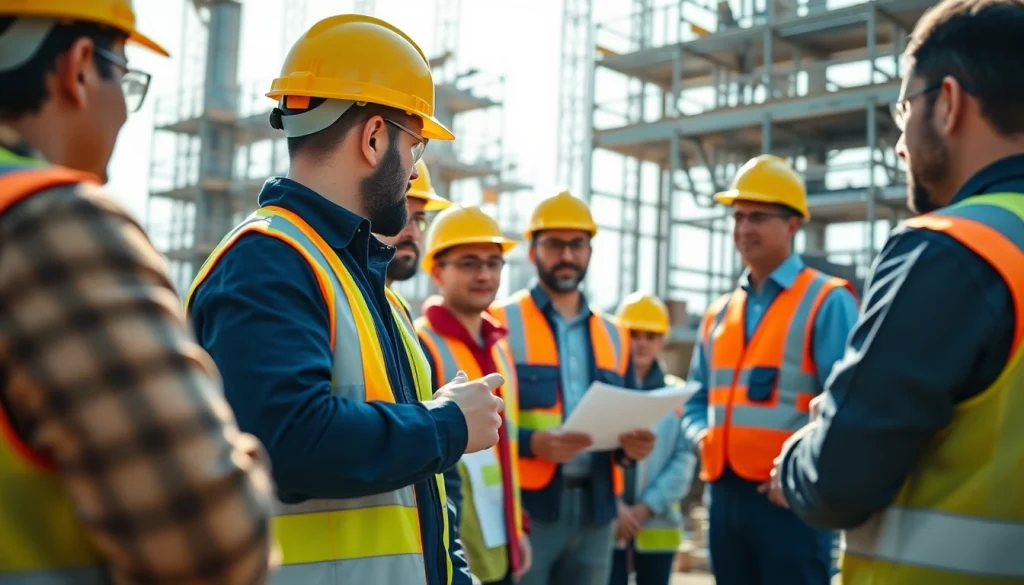
Understanding Construction Safety Training
What is Construction Safety Training?
Construction safety training is a set of educational programs designed to equip personnel in the construction industry with the knowledge and skills necessary to perform their jobs safely. The focus of this training is to reduce the risk of accidents and injuries on job sites, ensuring that workers understand the safety protocols and practices essential for their work environment. According to various studies, the construction industry has one of the highest rates of work-related injuries, which underscores the need for comprehensive training programs.
Importance of Construction Safety Training
The importance of construction safety training cannot be overstated. Implementing effective training programs protects workers, reduces the likelihood of accidents, and helps companies avoid costly legal repercussions and downtime. A well-trained workforce is not only safer but also more productive, as workers can focus on their tasks without the fear of accidents. Furthermore, ongoing safety training fosters a culture of safety within organizations, encouraging teamwork and accountability for safety practices.
Key Components of an Effective Training Program
An effective construction safety training program comprises several key components:
- Clear Objectives: Training programs should have clearly defined goals that align with the safety needs of the construction site.
- Comprehensive Curriculum: The training should cover a wide range of topics, including hazard recognition, equipment operation, emergency protocols, and personal protective equipment (PPE) use.
- Qualified Instructors: Trainers should possess the necessary expertise and credentials to effectively deliver the content.
- Engagement Activities: Interactive methods such as hands-on training, simulations, and discussions encourage active participation.
- Follow-Up Assessments: Regular evaluations and feedback ensure that workers retain the information and apply it correctly on the job.
Best Practices for Implementing Construction Safety Training
Developing a Safety Training Curriculum
Building a comprehensive safety training curriculum involves assessing the specific hazards present in your construction environment. Conduct a thorough risk assessment, identifying potential dangers and the corresponding safety measures required. Based on this assessment, create training modules that address those specific risks. Additionally, update your curriculum regularly in response to new regulations, emerging technologies, and the latest safety practices.
Utilizing Technology in Construction Safety Training
Technology has revolutionized the way safety training is delivered. Utilizing e-learning platforms can enhance accessibility and engagement. Virtual reality (VR) simulations allow workers to experience hazardous scenarios in a safe environment, reinforcing their ability to respond effectively. Mobile training applications also provide on-the-go access to resources and updates, making it easy for workers to refresh their knowledge whenever necessary.
Engaging Workers in Safety Training Sessions
Worker engagement is crucial for the success of any safety training program. Consider incorporating gamification elements, such as quizzes and competitions, to make learning more interactive and enjoyable. Involve workers in the training development process by soliciting feedback on topics that they feel need attention. Encouraging open discussions during training sessions allows workers to share experiences and voice concerns, ultimately fostering a more collaborative safety culture.
Types of Construction Safety Training Programs
General Safety Awareness Programs
General safety awareness programs cover a broad range of topics that apply to all workers, regardless of their specific roles. These programs typically include an introduction to safety protocols, awareness of common hazards, and personal responsibility for safety. The aim is to instill a fundamental understanding of safety practices, creating a baseline knowledge that all employees must have before specializing further in their particular areas.
Specific Certifications and Workshops
Certification programs focus on specialized skills and knowledge, often required for specific roles or equipment. Examples include OSHA (Occupational Safety and Health Administration) 10 and 30-hour training, First Aid/CPR certification, and equipment operation certifications. These programs not only enhance workers’ skills but also add value to their resumes, advancing their careers significantly.
On-the-Job Training Techniques
On-the-job training (OJT) is vital in the construction industry, where practical skills and hands-on experience are essential. OJT allows new employees to learn from experienced workers, providing real-time feedback and immediate application of safety practices. This method promotes learning through mentorship, which can help reinforce training concepts in a practical context, thereby enhancing retention and increasing safety on the job site.
Measuring the Effectiveness of Construction Safety Training
Key Performance Indicators for Safety Training
Measuring the effectiveness of a safety training program is essential for continuous improvement. Key performance indicators (KPIs) such as incident rates, accident reports, and near-miss documentation can provide valuable insight into the effectiveness of training initiatives. Additionally, measuring engagement levels during training sessions through participant surveys can help gauge interest and uncover potential areas for improvement.
Conducting Training Assessments and Evaluations
Conducting post-training assessments helps determine how well participants have grasped the material. This can be achieved through quizzes, practical demonstrations, or competency evaluations. It’s important to analyze the results to identify gaps in knowledge or areas where the training may need enhancement. Continuous evaluation not only holds workers accountable but also provides an opportunity for reiteration of vital concepts.
Feedback Mechanisms for Continuous Improvement
Establishing feedback mechanisms enables organizations to gather insights from employees about the training process. Surveys and feedback sessions after training can uncover valuable suggestions for improvements. Additionally, fostering an open-door policy where workers can express concerns or experiences related to safety can further inform training revisions and enrich the overall culture of safety at the workplace.
FAQs about Construction Safety Training
What topics are covered in construction safety training?
Construction safety training covers topics like hazard recognition, PPE usage, emergency procedures, fall protection, and equipment operation safety.
How often should safety training be conducted?
Safety training should be conducted regularly, typically annually or semi-annually, with additional sessions when new hazards or equipment are introduced.
What are the legal requirements for safety training?
Legal requirements for safety training often vary by jurisdiction but generally include OSHA compliance and specific training for hazardous jobs and equipment.
Can technology enhance safety training effectiveness?
Yes, technology can enhance safety training effectiveness through e-learning, VR simulations, and mobile apps that provide real-time information and updates.
What role do supervisors play in safety training?
Supervisors play a crucial role in safety training by modeling safe behaviors, ensuring compliance, and providing support to workers during training sessions.