
Understanding Land Irrigation
What is Land Irrigation?
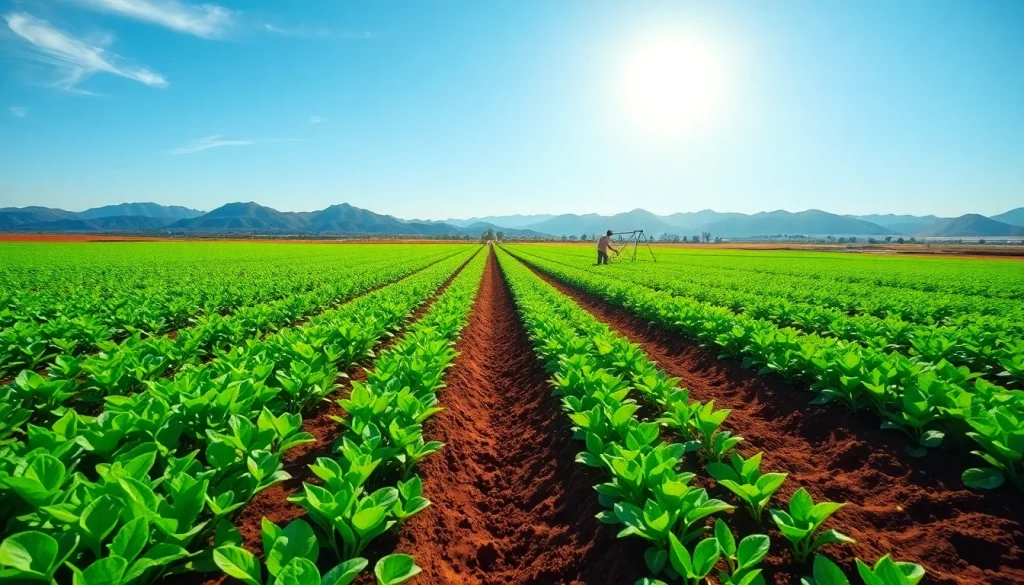
Land irrigation refers to the artificial application of controlled amounts of water to assist in the growth of crops or vegetation. This essential practice has been pivotal in agriculture, enabling farmers to manage water resources and ensure that their crops receive adequate moisture. Through various techniques, land irrigation not only enhances agriculture’s productivity but also plays a crucial role in sustaining the environment.
The Importance of Land Irrigation for Agriculture
Land irrigation is critical in optimizing agricultural productivity. In regions with insufficient rainfall, irrigation provides a reliable water source, allowing farmers to cultivate crops year-round. By utilizing irrigation, farmers can mitigate the impact of drought, ensure food security, and improve the economic stability of their communities. Higher crop yields lead to more substantial market supply, contributing to lower food prices and increased accessibility for consumers.
Types of Land Irrigation Techniques
Multiple land irrigation techniques exist, each adapted for specific types of agriculture, topographies, and resource availability. The main types include:
- Surface Irrigation: Water is applied directly to the soil surface and is distributed by gravity. Common methods include furrow, basin, and flood irrigation.
- Drip Irrigation: Delivers water directly to plant roots through a network of tubing and emitters, minimizing evaporation and promoting water conservation.
- Sprinkler Irrigation: Mimics natural rainfall by distributing water through a system of pipes and overhead sprinklers.
- Subsurface Irrigation: A technique where water is applied below the soil surface, optimizing moisture availability while reducing surface evaporation.
Benefits of Proper Land Irrigation
Improved Crop Yields
One of the most significant benefits of effective land irrigation is the consistent and improved crop yields. Irrigation ensures that plants receive the necessary hydration, resulting in larger harvests. Studies have shown that, on average, irrigated farms have significantly higher yields than rainfed farms. This increase in productivity can be pivotal for feeding growing populations and ensuring global food security.
Water Conservation in Land Irrigation
Modern irrigation techniques, particularly drip irrigation, have revolutionized water use in agriculture. These methods reduce water waste by delivering precise amounts of water directly to plants. Additionally, water recycling and rainwater harvesting complement irrigation efforts, further enhancing conservation. Utilizing soil moisture sensors can minimize over-irrigation, ensuring that water resources are used sustainably.
Environmental Impact of Efficient Land Irrigation
Properly managed irrigation systems can contribute positively to the environment. Efficient land irrigation practices help maintain soil health by preventing waterlogging and salinization. Moreover, they support biodiversity by creating habitats for various plant and animal species. The integration of sustainable practices, such as using organic mulches for moisture retention, signifies a vital stride towards preserving ecosystems while maximizing agricultural output.
Challenges in Implementing Land Irrigation
Common Issues Faced by Farmers
Farmers frequently encounter various challenges in implementing irrigation systems. These include the high cost of installation and maintenance, potential water scarcity due to competing demands, and legal regulations regarding water use. An in-depth understanding of regional water rights and efficient system design can help mitigate some of these issues. Training and education for farmers are essential to effectively managing irrigation practices.
Soil Quality and Land Irrigation
The interaction between irrigation and soil quality is critical. Poor irrigation practices can lead to soil erosion, nutrient depletion, and reduced soil health. To maintain soil vitality, farmers must adapt their irrigation methods based on soil type, moisture retention capabilities, and crop requirements. Regular soil testing can guide these adaptations and ensure that the soil remains fertile and productive.
Climate Considerations for Land Irrigation
Climate change and variability pose a challenge to irrigation practices. Fluctuating precipitation patterns, increased temperatures, and extreme weather events can affect both water availability and crop productivity. Farmers need to adopt adaptive irrigation strategies, such as adjusting planting schedules or employing more resilient crop varieties to cope with unpredictable climate conditions.
Best Practices for Effective Land Irrigation
Designing an Efficient Irrigation System
Creating an efficient irrigation system begins with a thorough assessment of the land, crop requirements, and available water sources. Farmers should consider factors like water pressure, soil type, and crop needs when designing their irrigation layouts. Incorporating features such as timers and flow meters can contribute to effective management and waste reduction.
Utilizing Technology in Land Irrigation
The integration of technology significantly enhances irrigation management. Advanced tools such as soil moisture sensors, weather forecasting apps, and automated irrigation systems enable more precise and efficient water application. Precision agriculture technologies empower farmers to make data-driven decisions that optimize irrigation schedules and minimize waste, ultimately leading to healthier crops and lower operating costs.
Maintenance of Irrigation Systems
Regular maintenance of irrigation systems is essential to ensure their longevity and efficiency. This includes checking for clogs in drip systems, ensuring that pumps are functioning correctly, and monitoring water flow rates. Preventative maintenance not only prolongs equipment life but also helps to avoid costly repairs and interruptions during critical growing periods.
Future Trends in Land Irrigation
Innovations in Sustainable Irrigation
As agriculture faces increasing pressure from water scarcity and climate change, innovative irrigation solutions are emerging. Techniques like smart irrigation systems, which leverage AI to optimize water use, are becoming more prevalent. Additionally, bioremediation might redefine irrigation by utilizing plants to clean contaminated water sources before irrigation, further enhancing sustainability efforts in agriculture.
Regulatory Considerations for Land Irrigation
Future irrigation practices will require compliance with evolving environmental regulations. Water rights and limitations on water use must be understood and respected. Farmers must stay informed about local and national policies to ensure they implement irrigation systems that align with legal requirements and sustainability goals.
Global Case Studies on Land Irrigation Success
Examining successful case studies can provide valuable insights into effective land irrigation practices. Regions such as California’s Central Valley and Israel’s Negev Desert showcase innovative methods that combine technology and tradition to maximize water use efficiency. By studying these examples, farmers around the world can adapt best practices to fit their unique circumstances.
FAQs About Land Irrigation
What is the purpose of land irrigation?
Land irrigation aims to provide water to crops, ensuring optimal growth and yield, especially in regions with limited rainfall.
What are the most common types of irrigation?
The most common types include surface irrigation, drip irrigation, sprinkler irrigation, and subsurface irrigation, each with unique benefits.
How does irrigation affect soil quality?
Proper irrigation enhances soil quality by maintaining moisture levels, while improper practices can lead to soil erosion and nutrient depletion.
Can irrigation conserve water?
Yes, modern irrigation techniques, especially drip irrigation, are designed to minimize water waste and enhance conservation efforts substantially.
What are the future trends in irrigation technology?
Future trends include the use of smart technologies, automated systems, and sustainable practices focusing on maximizing water efficiency while obeying regulations.