Innovative GRP Grating Designs for Structural Efficiency
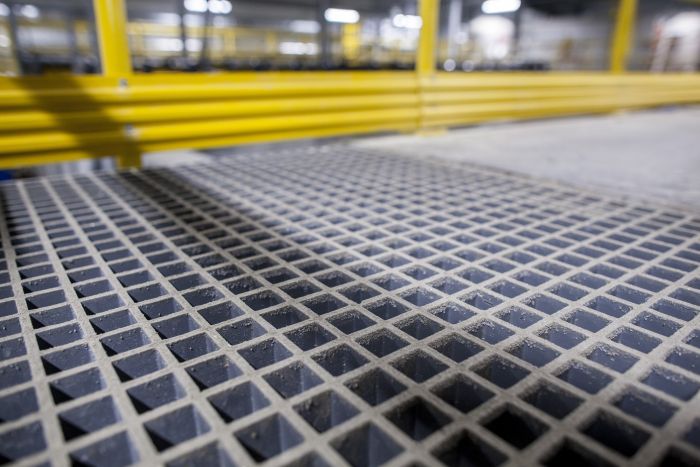
In modern industrial infrastructure, the demand for durable, cost-effective, and safe flooring and platform solutions is higher than ever. Traditional materials such as steel and timber often fail to meet the rigorous demands of contemporary industrial environments, especially when it comes to corrosion resistance, maintenance, and safety. Enter GRP Grating — a revolutionary composite material that is transforming the way industries approach structural efficiency.
This article explores the latest innovations in GRP grating designs, their practical applications across multiple industries, and the long-term benefits they bring. By understanding these designs, businesses can make informed decisions about implementing solutions that enhance safety, reduce costs, and improve overall operational efficiency.
What Is GRP Grating?
GRP Grating stands for Glass Reinforced Plastic grating. It is a composite material created by combining glass fibers with thermosetting resins. The glass fibers provide high tensile strength, while the resin matrix binds the fibers together, resulting in a lightweight yet robust material.
The primary characteristics of GRP grating include:
- Lightweight construction: Easier to transport and install compared to steel.
- Corrosion resistance: Performs well in chemical, marine, and wet environments.
- Non-conductive and fire-retardant properties: Safe for electrical installations and hazardous environments.
There are two main types of GRP grating commonly used in industrial applications:
1. Moulded GRP Gratings
Moulded gratings are created using a moulding process where glass fibers and resin are combined under heat and pressure. These gratings are ideal for environments with frequent exposure to chemicals and moisture. They are particularly suited for high-impact areas and are highly resistant to cracking and wear.
2. Pultruded GRP Gratings
Pultruded gratings are manufactured by pulling continuous glass fibers through a resin bath and into a heated die, creating a uniform, highly dense structure. These gratings offer superior strength and stiffness, making them suitable for long-span applications and heavier loads.
Both types of gratings provide excellent slip resistance, low maintenance requirements, and durability, which are key reasons industries are increasingly adopting GRP solutions.
Key Innovations in GRP Grating Design
Modern GRP grating designs are focused on improving structural efficiency, safety, and long-term performance. Engineers and manufacturers continually develop new features to address the challenges of contemporary industrial environments.
1. Advanced Load-Bearing Capabilities
One of the most significant innovations in GRP grating design is enhanced load-bearing capacity. Pultruded GRP gratings can now support heavier loads over longer spans, making them ideal for platforms, walkways, and maintenance areas. By optimizing the orientation of glass fibers and resin composition, manufacturers achieve higher tensile strength without adding significant weight.
2. Anti-Slip Surface Technology
Safety is a primary concern in industrial spaces. Modern GRP gratings often include integrated quartz or ceramic grit on the surface to improve traction. This slip-resistant design ensures safer movement for workers in wet, oily, or chemical-prone environments, reducing workplace accidents and complying with strict health and safety regulations.
3. Modular and Customizable Designs
Innovative GRP gratings now offer modular systems that can be easily tailored to specific industrial layouts. Panels can be cut, shaped, and fitted on-site without specialist equipment, reducing installation time and labor costs. Customization options include varying panel thickness, mesh sizes, and surface finishes, allowing engineers to design solutions that meet exact structural requirements.
4. Fire-Retardant and Non-Conductive Enhancements
GRP gratings can be manufactured with specialized fire-retardant resins, making them suitable for environments where fire safety is critical. Additionally, their non-conductive properties provide a safer alternative for electrical installations, offshore platforms, and chemical plants. Recent design improvements have further reduced smoke generation and toxic emissions during fire incidents.
5. Corrosion-Resistant Coatings and Treatments
Even though GRP gratings are naturally corrosion-resistant, new designs incorporate additional protective coatings for extreme environments. For example, marine-grade gratings now feature UV-stabilized surfaces that withstand saltwater exposure, while chemical-resistant variants handle harsh acids and alkalis without degrading over time.
Advantages of GRP Grating Over Traditional Materials
Compared to steel, aluminum, or timber, GRP grating offers several advantages that make it the preferred choice for modern industrial infrastructure.
1. Longevity and Reduced Maintenance
GRP gratings do not rust, rot, or require painting. This significantly reduces long-term maintenance costs and eliminates the need for periodic inspections and protective coatings. In corrosive environments, this durability ensures a lifespan exceeding 20 years, making GRP a cost-effective solution.
2. Lightweight Yet Strong
The lightweight nature of GRP gratings simplifies transportation, handling, and installation. Unlike steel, which requires heavy lifting equipment, GRP panels can often be installed manually, saving on labor and reducing the risk of injury.
3. Environmental Benefits
GRP gratings contribute to sustainable construction practices:
- Lower weight reduces emissions during transportation.
- Long service life reduces resource consumption from replacements.
- Minimal maintenance eliminates the need for harmful coatings and chemicals.
- End-of-life GRP gratings are recyclable.
4. Safety and Compliance
GRP gratings are slip-resistant, fire-retardant, and non-conductive. These features ensure that industrial sites meet or exceed regulatory requirements for worker safety. By reducing slip-and-fall incidents and fire hazards, companies can maintain safer workplaces and minimize downtime.
Applications of GRP Grating Across Industries
The versatility of GRP grating designs allows them to be used in a wide range of industrial applications:
Construction and Infrastructure
GRP gratings are ideal for walkways, maintenance platforms, stair treads, and catwalks. Their resistance to moisture and corrosion makes them perfect for bridges, elevated platforms, and high-traffic areas.
Water and Wastewater Treatment
Chemical and water-resistant properties make GRP gratings essential in sewage treatment plants, pumping stations, and waterworks. Panels withstand chemical exposure, high moisture, and heavy foot traffic without degradation.
Marine and Offshore Industries
From jetties and docks to offshore rigs, GRP gratings resist saltwater corrosion, UV exposure, and heavy environmental stress. Their non-slip surface ensures safety in wet conditions, while fire-retardant versions are suitable for platforms carrying flammable materials.
Rail and Transport Infrastructure
GRP gratings are used for station platforms, trackside walkways, and maintenance areas. Their lightweight yet durable nature allows rapid installation without disrupting rail operations.
Chemical and Manufacturing Plants
In environments prone to spills and chemical exposure, GRP gratings offer long-term durability. They resist acids, alkalis, and other industrial chemicals, ensuring maintenance-free performance even under heavy traffic.
Long-Term Cost Efficiency
Although GRP gratings may have a higher initial cost than timber or traditional steel, the total cost of ownership is significantly lower. Key cost benefits include:
- No corrosion, reducing replacement needs.
- Minimal maintenance, saving labor and material costs.
- No repainting or galvanizing required.
- Longevity exceeding 20 years ensures a strong return on investment.
For industries focused on long-term performance, durability, and safety, GRP grating offers a cost-effective and reliable solution.
Innovative Design Trends in GRP Grating
1. Lightweight Structural Panels
By refining the resin-to-fiber ratio, manufacturers have developed ultra-lightweight panels that maintain strength while further reducing installation labor and transportation costs.
2. Hybrid GRP Systems
Some modern gratings combine GRP with aluminum or stainless steel reinforcements to create hybrid panels. These are optimized for extreme load-bearing requirements while retaining corrosion resistance and low maintenance properties.
3. Aesthetic Customization
Beyond functionality, industries now seek visually appealing grating solutions for architectural applications. GRP panels can be colored, textured, or shaped to match aesthetic requirements while maintaining structural performance.
4. Integrated Drainage and Ventilation Features
GRP grating designs increasingly include slotted or open-grid systems that allow water, air, or debris to pass through easily. These designs improve safety, reduce slip risks, and enhance ventilation in industrial platforms.
FAQs About GRP Grating
1. Can GRP Gratings support heavy machinery?
Yes. Pultruded GRP gratings are engineered for high load-bearing capacity. They can support machinery and equipment over long spans, making them ideal for industrial platforms and maintenance areas.
2. Are GRP Gratings suitable for outdoor installations?
Absolutely. GRP gratings resist UV radiation, moisture, and chemicals, making them ideal for outdoor environments such as marine docks, water treatment plants, and rooftop platforms.
3. How easy is it to install and cut GRP Gratings?
GRP gratings can be easily cut on-site using standard saws without specialist tools. This flexibility allows quick installation and customization without the need for hot work permits or heavy equipment.
Conclusion
GRP grating represents a significant advancement in industrial infrastructure design. By combining corrosion resistance, fire retardancy, lightweight strength, and long-term cost efficiency, GRP gratings provide an innovative solution for industries seeking safer, more durable, and environmentally conscious materials.
Whether for marine platforms, chemical plants, railways, or construction walkways, GRP gratings are transforming structural efficiency while reducing maintenance and improving workplace safety. Investing in modern GRP solutions ensures long-term performance, reliability, and cost savings.
For high-quality, UK-manufactured GRP gratings and expert guidance on design and installation, contact GRP Grating today. Unlock exclusive guides and tips by heading back to the home screen.