
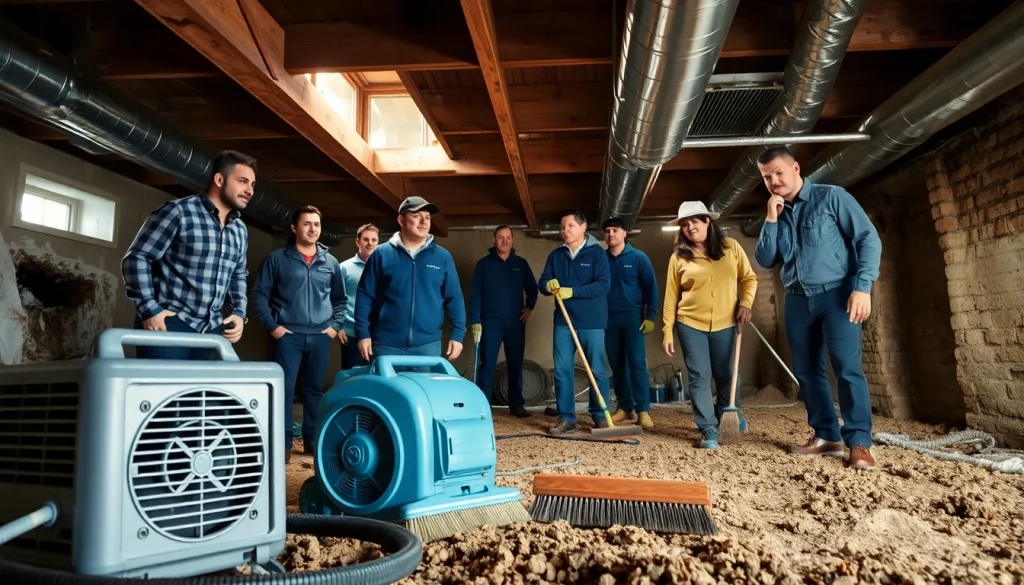
Understanding Crawl Space Maintenance
What is Crawl Space Maintenance?
Crawl space maintenance refers to the systematic assessment, cleaning, and repair activities that ensure the optimal condition of the crawl space beneath your home. This often-overlooked area plays a crucial role in a home’s overall health. It serves as a buffer zone, protecting the foundation, supporting plumbing and electrical systems, and allowing ventilation that can impact indoor air quality.
Regular maintenance includes inspections for moisture accumulation, structural integrity, pest infiltration, and the effectiveness of insulation. Each of these factors contributes significantly to the longevity of not just the crawl space itself but also the home overall.
Importance of Regular Inspections
Regular inspections of your crawl space are paramount in identifying issues before they escalate into costly repairs. These inspections should ideally be conducted at least once a year, or bi-annually in regions with higher humidity or prone to heavy rainfall. Common issues discovered during inspections include:
- Moisture buildup leading to mold growth
- Structural damage caused by pests or water
- Improper ventilation causing damp and musty odors
- Insulation degradation affecting energy efficiency
Identifying these problems early on can save homeowners extensive financial strain and health hazards associated with mold and poor air quality.
Common Crawl Space Issues and Solutions
Crawl spaces are often susceptible to various issues, including moisture intrusion, pest infestations, and structural concerns. Here are some of the most common issues and their corresponding solutions:
Moisture Accumulation
Moisture can enter through foundations, walls, and even plumbing leaks. Failure to address moisture can lead to mold growth and wood rot. A solution includes installing a proper drainage system, utilizing vapor barriers, and ensuring adequate ventilation to control humidity levels.
Pest Infiltration
Rodents, insects, and other pests often find crawl spaces a suitable habitat. These pests can compromise insulation and wiring while also posing health risks. Implementing pest control measures, such as sealing entry points and maintaining hygiene by clearing out debris, can effectively mitigate infestations.
Structural Damage
Over time, the structural components of the crawl space may weaken due to water damage or insect activity. Regular assessments and timely repairs, including replacing damaged supports and beams, are vital.
For more detailed insights about identifying and rectifying these issues, explore http://newleafcrawlspace.com.
Professional Crawl Space Cleaning Services
Benefits of Professional Cleaning
Engaging professional crawl space cleaning services is an investment that reaps multiple benefits. Professionals possess the experience and equipment necessary to thoroughly clean and sanitize the space, ensuring that the crawl area is free from contaminants, pests, and harmful mold spores. Key benefits include:
- Comprehensive cleaning techniques that remove dirt, dust, and allergens
- Expert assessment of issues that may not be visible to the untrained eye
- Improved air quality for the entire home
- Enhanced energy efficiency as insulation and ductwork are restored
What to Expect from Cleaning Services
When you hire professionals for crawl space cleaning, you can expect a multi-step process. Typically, this process includes:
- Inspection: A thorough evaluation of the space to identify problem areas.
- Debris Removal: Clearing out any organic matter, debris, and damaged insulation.
- Mold Remediation: Treating surfaces for mold and mildew, important for health and safety.
- Final Cleaning: Deep cleaning of surfaces to eliminate allergens and contaminants.
- Post-Cleaning Assessment: Recommendations for further improvements and preventative measures.
Choosing the Right Cleaning Company
Choosing the right cleaning service can significantly influence the outcome of the maintenance work. Consider the following factors:
- Experience: Look for companies with a proven track record in crawl space services.
- Reviews and Testimonials: Client feedback can give insight into the quality of service provided.
- Services Offered: Ensure they encompass all aspects of crawl space cleaning and maintenance.
- Pricing: Obtain quotes from multiple services to ensure competitive pricing without compromising quality.
Crawl Space Restoration Techniques
Signs Your Crawl Space Needs Restoration
Several indicators suggest that your crawl space may require restoration. These signs can range from visible damage to subtle odors that indicate larger problems:
- Visible mold growth on surfaces
- Unpleasant musty odors emanating from vents
- Water pooling or moisture on the ground
- Insects or pest activity noted during inspections
- Structural sagging or weakness in beams and supports
Steps for Effective Restoration
Restoration involves a detailed approach to address current issues while preventing future ones. Effective restoration typically follows these steps:
- Comprehensive Inspection: Assess the extent of damage and identify concerns.
- Moisture Control Implementation: Install drains and vapor barriers to prevent water ingress.
- Repair and Reinforcement: Fix damaged supports and ensure structural integrity.
- Cleansing and Sanitizing: Apply treatment to eliminate mold and contaminants.
- Ongoing Monitoring: Establish a schedule for future assessments to ensure the crawl space remains healthy.
Restoration Materials and Methods
The materials and methods used in crawl space restoration depend significantly on the specific issues observed. Common materials include:
- Drainage systems such as French drains or sump pumps for water management
- Vapor barriers to prevent moisture from the ground
- Antimicrobial solutions for mold treatment
- Insulation materials designed for crawl space applications
Selecting the right combination of restoration techniques can enhance the durability of the crawl space and protect the home’s foundation.
Drainage and Moisture Control Solutions
Importance of Drainage in Crawl Spaces
Proper drainage in crawl spaces is vital for preventing moisture accumulation that can lead to mold growth and structural damage. Effective drainage solutions involve managing water runoff from the surrounding landscape and ensuring that excess water does not infiltrate the crawl space. Key methods include:
- Grading the landscape to direct water away from the home
- Installing gutters and downspouts to manage roof runoff
- Using perimeter drains to capture groundwater before it enters the space
- Implementing sump pumps where necessary to remove water
Effective Moisture Control Strategies
In addition to drainage solutions, effective moisture control strategies include:
- Regular inspections to catch leaks or sources of moisture early.
- Sealing any gaps or cracks in foundation walls or floors.
- Maintaining optimal ventilation through vents or air circulation systems.
- Utilizing dehumidifiers in particularly humid climates.
Implementing Long-Term Solutions
To ensure lasting moisture control within your crawl space, long-term solutions should be prioritized, such as:
- Investing in a comprehensive permeable or impermeable encapsulation system.
- Regular maintenance checks to ensure all systems are operational, especially after extreme weather events.
- Educating homeowners about the importance of crawl space maintenance and monitoring changes that could affect moisture levels.
Pest Control and Prevention in Crawl Spaces
Identifying Crawl Space Pests
Crawl spaces can become haven for a variety of pests including rodents, insects, and even larger animals. Identifying these pests is vital for timely intervention. Common pests include:
- Rodents such as mice and rats, which can gnaw through insulation and wiring.
- Termites and carpenter ants, which can damage wooden structures.
- Spiders and cockroaches, that can affect indoor air quality and pose health risks.
Effective Pest Control Strategies
Effective pest control strategies in crawl spaces focus on exclusion, sanitation, and population control. Critical strategies include:
- Sealing all entry points, including cracks and holes in foundation walls.
- Clearing away debris and clutter that can serve as pest nesting sites.
- Regularly inspecting the area for signs of pest activity.
- Utilizing traps or engaging pest control professionals when necessary.
Preventing Future Infestations
Prevention is a key component in pest control. To prevent future infestations of crawl spaces, consider taking the following steps:
- Maintain a clean crawl space by regularly removing debris and organic matter.
- Keep vegetation trimmed and away from the foundation.
- Educate family members about sealing food sources and not leaving pet food exposed.
- Establish a routine inspection schedule to stay ahead of potential issues.