
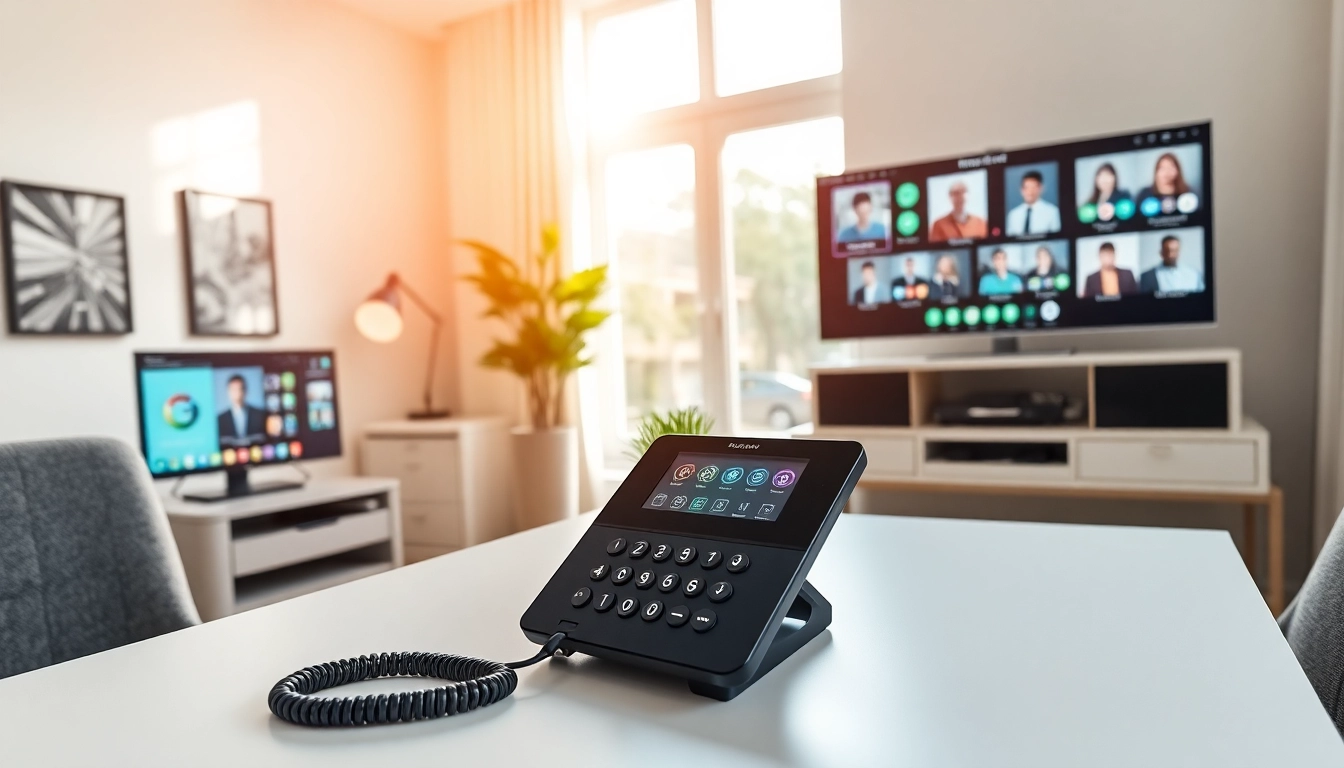
Introduction to voip Technology
What is voip?
Voice over Internet Protocol, commonly known as voip, is a technology that enables voice communications and multimedia sessions over the internet. Unlike traditional telephone systems, which rely on circuit-switched networks, voip transforms voice signals into digital data packets. This digital transmission offers advantages such as increased efficiency, reduced costs, and enhanced features.
History and evolution of voip
The roots of voip can be traced back to the early 1990s when the first successful implementations began to emerge. Early systems were rudimentary and often suffered from significant quality issues. However, as internet infrastructure improved and broadband became more widely available, voip technology witnessed rapid advancements. Over the years, several protocols, such as SIP (Session Initiation Protocol) and H.323, were developed to standardize communication over the internet. This evolution not only enhanced voip’s reliability but also expanded its functionalities, making it a mainstream alternative to traditional telephony.
How voip works in simple terms
At its core, voip works by taking analog audio signals and converting them into digital data packets. Here’s a breakdown of the process:
- Capture: When you speak into a microphone, your voice generates sound waves that are captured by the device.
- Encoding: These sound waves are then converted into digital data using a codec, which compresses the data for efficient transmission.
- Packetization: The digital data is split into smaller packets and sent over the internet.
- Transmission: These packets are routed through various nodes on the internet to reach the recipient.
- Decoding: Once received, the packets are reassembled, decoded, and converted back into sound waves through speakers.
This entire process happens in milliseconds, allowing for near real-time communication.
Advantages of Using voip at Home
Cost savings compared to traditional phone services
One of the most significant advantages of using voip for home communication is the cost savings. Traditional phone services often come with hefty monthly fees, especially for long-distance calls. In contrast, voip providers typically offer flat-rate pricing, meaning users can make unlimited calls for a low monthly fee. Furthermore, many voip services include international calling options at significantly lower rates than traditional carriers.
In addition to call costs, voip can also reduce expenses associated with hardware. Since voip services often use existing internet connections, there is no need for separate phone lines. This consolidation leads to lower overall bills for households.
Enhanced features and functionalities of voip
VoIP technology provides a suite of features that go beyond what traditional phone services can offer. Some enhanced functionalities include:
- Voicemail-to-email: Voicemail messages can be sent directly to your email, allowing for enhanced accessibility.
- Video calling: Many voip services incorporate video conferencing capabilities, enabling face-to-face conversations over the internet.
- Call forwarding: Users can easily forward calls to multiple devices, ensuring they never miss an important call.
- Integration with applications: VoIP can integrate with other applications such as CRM tools, enabling seamless communication flows.
These advanced features not only improve the user experience but can also enhance productivity for those working from home.
Improved call quality and reliability
Advancements in internet technology have significantly improved the call quality associated with voip. Unlike traditional systems that may experience static or dropped calls, voip can deliver clear, high-definition voice calls with minimal latency. Modern codecs can compress audio data without sacrificing quality, translating to a more pleasant communication experience.
Additionally, many voip providers have established multiple data centers. This redundancy helps ensure reliability, as calls can be rerouted in case of outages or network congestion, maintaining consistent service even during heavy usage periods.
Setting Up Your Home voip System
Choosing the right voip service provider
The first step in establishing a home voip system is selecting the right service provider. Factors to consider include:
- Pricing: Look for a provider that offers competitive rates and transparent billing practices.
- Features: Assess the features that are essential for your household, such as call screening or conference calling capabilities.
- Customer Support: Good customer service is crucial for troubleshooting any issues that may arise during use.
- Reviews: Research user reviews to gain insights into reliability and overall satisfaction.
Taking the time to assess these factors will help ensure that you choose a service that meets your needs and delivers good value.
Essential equipment for voip
Setting up a voip system requires minimal equipment. Key components typically include:
- High-Speed Internet Connection: A reliable internet connection is essential for optimal voip performance.
- VoIP-Compatible Device: This could be a traditional phone with an adapter, a dedicated voip phone, or even a computer with a headset.
- Router: A quality router will help manage internet traffic and prioritize voice data streams, enhancing call quality.
Ensuring that you have the proper equipment will streamline the setup process and improve your overall experience with voip.
Installation and configuration tips
Once you have selected a service provider and obtained the necessary equipment, it’s time to set up your voip system. Follow these steps for a smooth installation:
- Connect Hardware: Connect the voip device to your router using an Ethernet cable.
- Software Setup: If using a computer, download the necessary software or app provided by your voip service and install it.
- Account Configuration: Log into your voip account and input any required settings, such as your phone number and preferences.
- Test Your System: Make test calls to ensure everything is functioning correctly and adjust settings as needed for call quality.
With proper configuration, your home voip system can be operational within a short time frame.
Common Challenges with voip and Solutions
Understanding bandwidth requirements for voip
VoIP requires a certain level of bandwidth to function properly. Insufficient bandwidth can lead to dropped calls, delays, or poor audio quality. A good rule of thumb is to have at least 100 kbps (kilobits per second) upload and download speed for each voip call. Households with multiple users or devices should consider their combined bandwidth needs carefully.
To determine your specific needs, consider conducting speed tests before installation and monitoring usage patterns after implementation.
Common troubleshooting tips for voip issues
Even with careful setup, users may encounter issues with their voip services. Common problems include:
- Static or Echo: This might arise from poor internet connections. To resolve this, ensure your router is configured correctly and consider prioritizing voip traffic in your settings.
- Dropped Calls: Often a result of insufficient bandwidth. Monitor internet usage and upgrade your broadband plan if necessary.
- Delayed Audio: Lag can be minimized by using a wired connection instead of Wi-Fi, which can introduce latency.
Utilizing the troubleshooting steps mentioned can help users quickly resolve common voip issues.
Maintaining call quality with voip
To ensure consistent call quality, several proactive measures can be taken:
- Quality of Service (QoS): Implement QoS settings on your router to prioritize voip traffic over other internet usage.
- Regular Updates: Keep your voip software and devices updated to take advantage of performance improvements and security patches.
- Conduct Regular Tests: Periodically test your internet connection and overall voip performance to identify any potential issues early.
By implementing these strategies, users can significantly improve their experience with voip technology.
Future of voip Technology in Home Communication
Emerging trends in voip technology
The landscape of voip technology is continuously evolving, with multiple emerging trends shaping its future. One significant trend is the integration of Artificial Intelligence (AI) within voip systems. AI can enhance features such as virtual assistants, predictive dialing, and advanced call routing. These capabilities can enrich the user experience and optimize communication efficiency.
Another trend to watch is the ongoing improvement of security protocols. As cyber threats become increasingly sophisticated, voip providers are continuously implementing tougher encryption methods to safeguard user data and calls.
Integration of voip with smart home devices
As smart home technology becomes more prevalent, integration with voip systems is expected to grow. Voip can work in conjunction with smart devices—allowing users to receive calls on various devices, including smart displays or speakers. This integration promotes seamless interaction and enhances overall usability. Furthermore, smart home systems can utilize voip technology for functions such as remote monitoring, enabling users to answer calls or communicate through intercom systems, regardless of their physical location.
Predictions for the evolution of home communication
Looking ahead, we can expect that voip technology will play a critical role in shaping home communication. Increased usage of mobile and cloud-based technologies will further streamline communication processes, making it easier for families to stay connected across multiple platforms.
Moreover, advances in 5G connectivity are likely to propel voip technology into a new era of speed and quality. This evolution could lead to enhanced features such as ultra-high-definition voice and video calling, redefining how we approach telecommunication.